Day 19 of 100
Göring orders the Prussian police to shoot and promises to cover them
Göring sent all Prussian police authorities a circular telling them to cooperate with the SA, SS and Stahlhelm, to act against “enemies of the state” with the harshest means and to use their firearms without hesitation, promising to cover any officer who did. The Bavarian People’s Party leader Fritz Schäffer warned Hindenburg against Reich commissioners in the states, and uniformed students broke up an examination at the State Art School in Schöneberg. In the evening 4,000 people watched boxing at the Sportpalast.
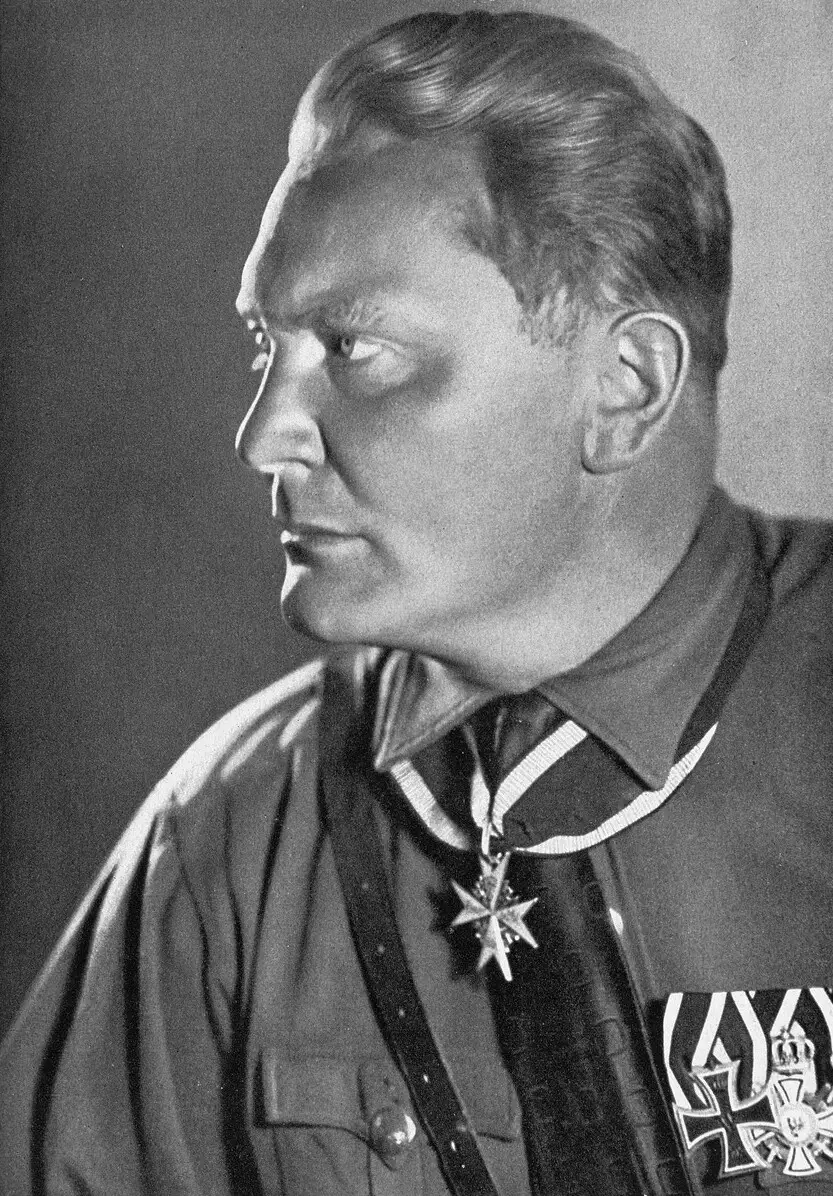

Göring’s circular of 17 February, which became known as the “shooting decree” (Schießerlass), set out to turn the Prussian police from a neutral guardian of order into a partisan of the government’s camp. The SA, SS and Stahlhelm were to be treated as “national associations” containing the state’s most constructive forces, their propaganda supported and restricted only in the most urgent cases; communist activity was to be met with the sharpest means, and officers who used their guns were promised his protection whatever the consequences, while those who held back out of “misplaced consideration” were threatened with disciplinary action. The decree was not published at once: the official Prussian press service released its text on 20 February.
Laws and decrees
Runderlass des Kommissars des Reichs für das Preußische Ministerium des Innern an alle Polizeibehörden vom 17. Februar 1933
Göring's circular to the Prussian police (the "shooting decree")
Ordered the Prussian police to cooperate with the SA, SS and Stahlhelm, to restrict “national” propaganda only in the most urgent cases, to act against “enemies of the state” with the harshest means and to use firearms without regard to the consequences, with a promise of cover for officers who fired and disciplinary threats for those who held back.1
Politics and power
Government, terror and persecution
-
Terror Berlin, Prussian Ministry of the Interior
The “shooting decree” goes to every police authority in Prussia
In his circular to all Prussian police authorities Göring wrote that the police must avoid even the appearance of hostility towards the “national associations” (SA, SS and Stahlhelm) and the “national parties”, seek the best understanding with them and support all “national” propaganda with every means. Against “organisations hostile to the state” they were to use the harshest means and, if necessary, their firearms without regard; failing to act, he warned, weighed more heavily than mistakes made in acting. He named as offences to be pursued most strictly banned demonstrations, unauthorised meetings, looting, incitement to treason, mass strikes, riot and offences by the press.1
-
The states Berlin, Office of the Reich President
Schäffer warns Hindenburg against Reich commissioners in Bavaria
Hindenburg received Fritz Schäffer, leader of the Bavarian People’s Party, with Papen present. Schäffer complained that the Centre and his party had been kept out of the government, called the action against Prussia contrary to the constitution and warned against rumoured plans to send Reich commissioners to the states: a commissioner sent to Bavaria, he said, would be arrested at the border, even by the Bavarian Stahlhelm. He also reported rumours that the SA meant to seize power by force on election day. Papen dismissed the rumours as wild; Hindenburg defended Hitler warmly and said he had no intention of installing commissioners in states with orderly conditions merely because their governments differed politically from Berlin’s. The meeting lasted 45 minutes.2
-
Terror 17:00, Berlin-Schöneberg, Grunewaldstraße
Uniformed students storm the State Art School
At about 17:00 some eighteen young men in SA uniform forced their way into the State Art School (Staatliche Kunstschule) in Schöneberg during a state examination. They interrupted the examination and drove four professors out of the room, among them Philipp Franck, chairman of the art examination board, and Professors Georg Tappert and Curt Lahs; the intruders then left unrecognised and the examination resumed. The professors complained to Rust, who promised a strict inquiry.3,4,5
Sources disagree. The press named the school’s director as Kamps and Franck as chairman of the examination board; the history published by the Universität der Künste calls Franck the director and says the intruders hoisted the swastika flag.
-
Economy Berlin
Hitler courts the craftsmen; industry asks for calm
Hitler received the presidium of the Reich Association of German Crafts and promised it a post of its own in the government. The presidium and board of the Reich Association of German Industry, meeting on 16 and 17 February under Gustav Krupp von Bohlen und Halbach, declared that industry’s attitude to the new government would depend on its economic measures, and that any disturbance of internal calm and social peace would endanger recovery.6,3
-
Propaganda Berlin
A daily diet of government speakers on the radio
The Berlin Funkstunde began a series of talks on contemporary history in which speakers from the governing parties, among them Eduard Stadtler, Alfred Rosenberg and Martin Spahn, were to be heard almost daily until shortly before the election, followed by portraits of the new ministers, Goebbels speaking on Hitler.7
Everyday life
What else was happening in Germany
-
Film
Zwei gute Kameraden opens
Zwei gute Kameraden (Two Good Comrades), directed by Max Obal for Aafa-Film, with Paul Hörbiger and Fritz Kampers as an infantryman and a guardsman, had its premiere, a day after the film censors had examined it.8
-
Sport evening, Berlin, Sportpalast
Heavyweight boxing at the Sportpalast
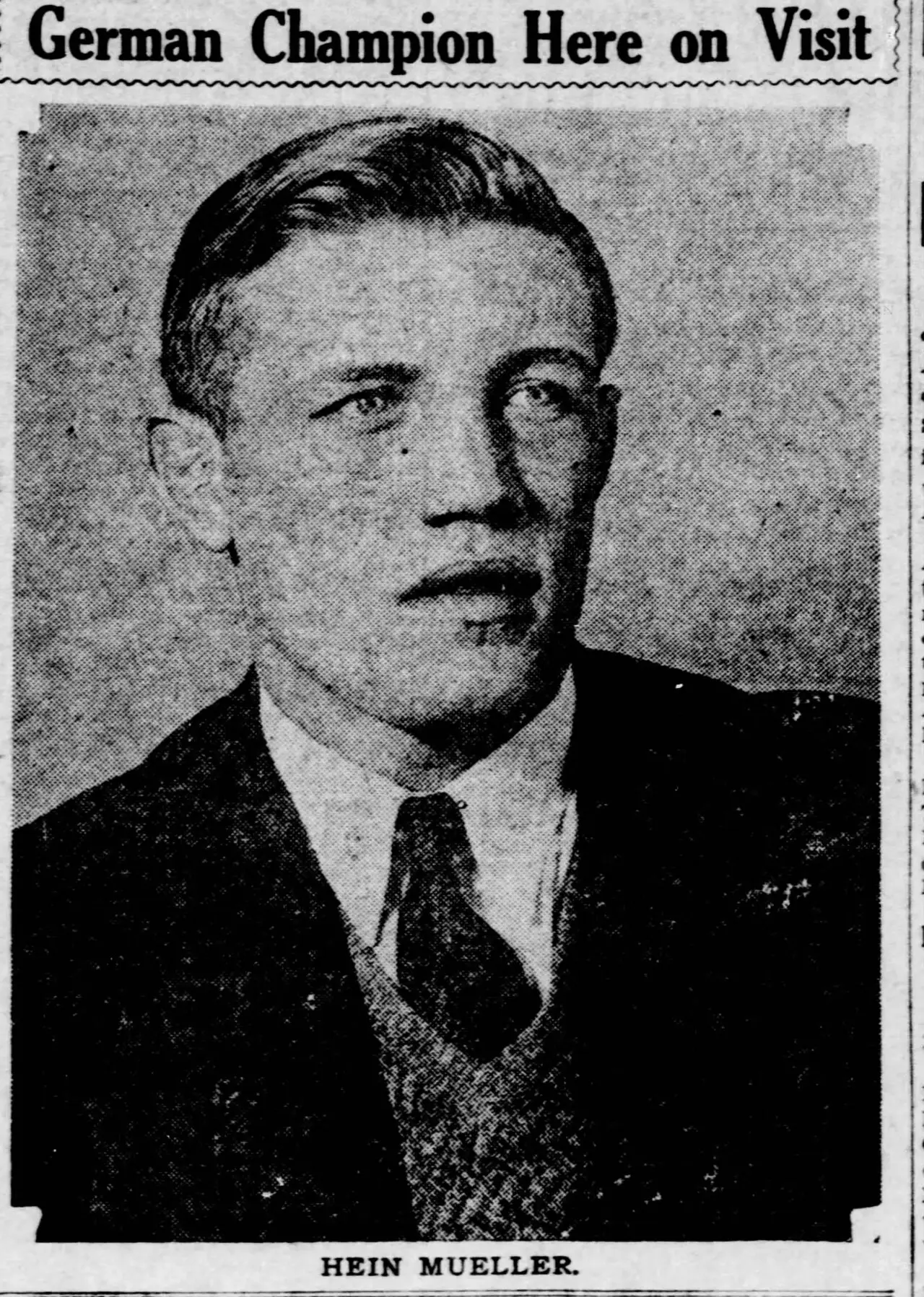
Some 4,000 spectators, among them many stage and film celebrities, came to an evening of boxing at the Sportpalast. In the main bout the German champion Hein Müller of Cologne (84.2 kg) beat Hans Schönrath of Krefeld (92.8 kg) on points, a verdict the Hamburger Fremdenblatt’s reporter thought barely deserved.9
-
Education Berlin
Too many school-leavers for the universities
An official statement warned that more than 40,000 pupils would leave the grammar schools with the Abitur at Easter and that many would go on to university although the number of students already far exceeded the openings in the professions. General warnings against studying had not worked, it said, and the Reich Interior Minister was discussing with the states’ education ministries how to restrict entry to the universities.10
Voices
Police officers who make use of their firearms in carrying out these duties will be covered by me, regardless of the consequences of their use of firearms; whoever fails out of misplaced consideration must expect disciplinary consequences.
In Berlin today
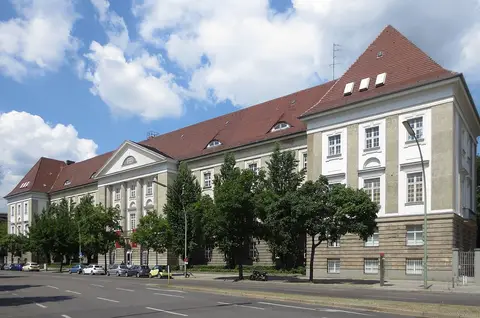

State Art School (Staatliche Kunstschule zu Berlin)
Grunewaldstraße 2–5, 10823 Berlin-Schöneberg
More pictures

Sources
- Nationale Belange. Göring an die Polizei (text of the circular of 17 February) Hamburgischer Correspondent, via Deutsche Digitale Bibliothek Zeitungsportal, 21 February 1933, p. 1 (Amtlicher Preußischer Pressedienst, Berlin, 20 February)
- Nr. 23 Empfang des Staatsrats Schäffer beim Reichspräsidenten. 17. Februar 1933 Bundesarchiv / Historische Kommission bei der Bayerischen Akademie der Wissenschaften, Akten der Reichskanzlei. Regierung Hitler, Band I
- Überfall auf eine Kunstschule; Die Industrie zum Kabinett Hitler Dresdner Nachrichten, via Deutsche Digitale Bibliothek Zeitungsportal, 18 February 1933, p. 2 (reports dated Berlin, 17 February)
- Studenten besetzen die Kunstschule Hamburger Fremdenblatt (Reichsausgabe), via Deutsche Digitale Bibliothek Zeitungsportal, 18 February 1933, p. 10
- Die Zeit der nationalsozialistischen Herrschaft; Kunstschule zu Berlin 1869–1945 Universität der Künste Berlin
- Nr. 25 Ministerbesprechung vom 21. Februar 1933, 17 Uhr (note 13 on Hitler’s reception of the crafts association, 17 February) Bundesarchiv / Historische Kommission bei der Bayerischen Akademie der Wissenschaften, Akten der Reichskanzlei. Regierung Hitler, Band I, P. 6, note 13
- Rundfunkpropaganda Neue Mannheimer Zeitung, via Deutsche Digitale Bibliothek Zeitungsportal, 17 February 1933, p. 2
- Zwei gute Kameraden filmportal.de (Deutsches Filminstitut & Filmmuseum), Prüfung 16.02.1933; Uraufführung 17.02.1933
- Müller–Schönrath im Sportpalast Hamburger Fremdenblatt (Reichsausgabe), via Deutsche Digitale Bibliothek Zeitungsportal, 18 February 1933, p. 11
- Ostern 1933 werden über 40 000 Abiturienten die höhern Schulen verlassen Kölnische Zeitung, via Deutsche Digitale Bibliothek Zeitungsportal, 18 February 1933, p. 1 (official statement, Berlin, 17 February)
Spotted a mistake? Send a correction.