Image credits
Every image on this site comes from Wikimedia Commons and carries a free licence stated in its own Commons record: public domain, CC0, CC BY or CC BY-SA. Bundesarchiv photographs are licensed CC BY-SA 3.0 Germany. Pages of the Reichsgesetzblatt are official works in the public domain. Images are shown at reduced size; otherwise they are unaltered.
385 images
-
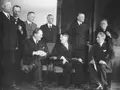
The Hitler cabinet, 30 January 1933. Seated, from left: Hermann Göring, Adolf Hitler, Franz von Papen. Standing, from left: Franz Seldte, Günther Gereke, Lutz Graf Schwerin von Krosigk, Wilhelm Frick, Werner von Blomberg, Alfred Hugenberg.
-
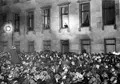
Hitler at a window of the Reich Chancellery in the Wilhelmstraße, acknowledging the crowd on the evening of 30 January 1933. Photograph by Robert Sennecke.
-
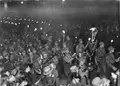
SA men with torches and a marching band move along the Wilhelmstraße in the torchlight procession for the new Reich Chancellor on the evening of 30 January 1933. No one in the crowd is identified in the archive record.
-
The Brandenburg Gate seen from the Pariser Platz in July 2012.
-
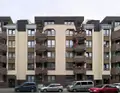
Flats in the Zillestraße in Charlottenburg, the former Wallstraße, in 2020.
-
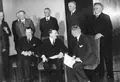
Members of the new cabinet after their first meeting on 30 January 1933. Front row, from left: Hermann Göring, Adolf Hitler, Franz von Papen. Second row, from left: Lutz Graf Schwerin von Krosigk, Wilhelm Frick, Werner von Blomberg, Alfred Hugenberg.
-
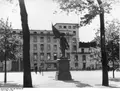
The Reich Chancellery on the Wilhelmplatz, where Hitler met the Centre Party leaders and then his cabinet on 31 January 1933: the extension of 1930 on the corner of the Voßstraße, behind the statue of Field Marshal von Schwerin. Undated photograph from after August 1934; the passers-by are not identifiable.
-
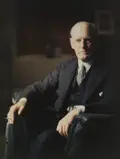
The English novelist John Galsworthy, who died in London on 31 January 1933, in a colour autochrome portrait by Olive Edis, October 1929.
-
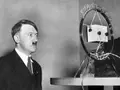
Adolf Hitler at a radio microphone. The archive dates the photograph to his broadcast of the government's appeal on 1 February 1933.
-
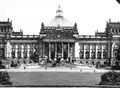
The Reichstag building on the Königsplatz, with the Bismarck monument in front, about 1932. The decree of 1 February 1933 dissolved the parliament that sat here and called new elections for 5 March.
-
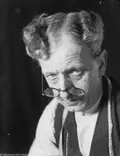
A tailor with his tape measure round his neck, photographed on 1 February 1933 by the Berlin photographer Willy Pragher. The record names neither the man nor the place.
-
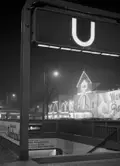
The Hardenbergstraße at night, with the illuminated Wilhelmshallen and the Ufa-Palast am Zoo cinema, where Morgenrot had its Berlin premiere. Photograph by Willem van de Poll, about 1935.
-
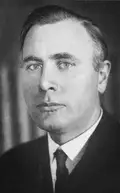
Arnold Brecht, the senior Prussian civil servant who answered Hitler in the Reichsrat on 2 February 1933. Undated portrait.
-
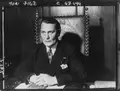
Hermann Göring at his desk, in a press portrait by Robert Sennecke distributed in Paris in January 1933, when he joined Hitler's cabinet as minister without portfolio and Reich Commissioner for the Prussian Ministry of the Interior. On 2 February he banned all KPD demonstrations in Prussia.
-
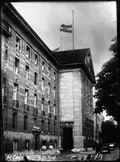
The Reichswehr Ministry in the Bendlerstraße with its flag at half-mast, in a French press photograph distributed in July 1932, six months before Hitler's speech to the commanders there.
-
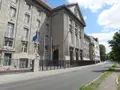
The Bendlerblock today, home of the German Resistance Memorial Center and the Federal Ministry of Defence.
-
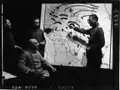
A scene from Paul Joseph Cremers's Die Marneschlacht in Berlin: actors in German staff uniform at a map of the 1914 front, with the actor playing General von Moltke seated. The agency caption does not name the actors. Press photograph by Robert Sennecke, distributed in Paris on 7 February 1933.
-
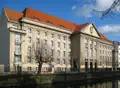
The Bendlerblock from across the Landwehrkanal in 2009: the wing on the Reichpietschufer was built in 1911–14 for the Reich Navy Office.
-
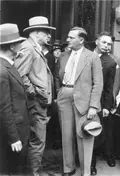
Otto Braun (in the pale hat, left of centre), Prussia's deposed Social Democratic Prime Minister, with the Prussian culture minister Adolf Grimme (centre) outside the Landtag after its first session in May 1932. The other people in the picture are not identified in the archive record.
-
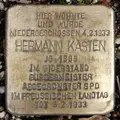
The Stolperstein for Hermann Kasten outside his former home at Parkstraße 8 in Staßfurt, laid in 2013.
-
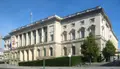
The former Prussian Landtag in the Niederkirchnerstraße, today the seat of Berlin's Abgeordnetenhaus, in 2009.
-
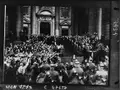
Uniformed SA men, police and onlookers on the steps of Berlin Cathedral as the coffins are carried out at the state funeral for Hans Maikowski and Josef Zauritz. Press photograph by Robert Sennecke, distributed in Paris by Agence Mondial, whose French title misspells Zauritz as 'Lauritz'.
-
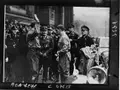
Adolf Hitler, Hermann Göring and Rudolf Hess, as the Commons record identifies them, outside Berlin Cathedral at the state funeral for Maikowski and Zauritz, 5 February 1933; the file is also catalogued under Hitler's adjutant Wilhelm Brückner. The other uniformed men are not named. Press photograph by Robert Sennecke.
-
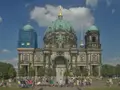
Berlin Cathedral from the Lustgarten in August 2018.
-
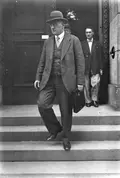
Otto Braun, Prussian Prime Minister, leaving the Reichstag building after its dissolution in July 1930. The two men behind him are not identified in the archive record.
-
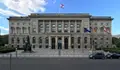
The former Prussian Landtag in the Niederkirchnerstraße, today the Abgeordnetenhaus of Berlin.
-
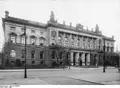
The Prussian Landtag building in the Prinz-Albrecht-Straße (today the Niederkirchnerstraße) in 1932.
-
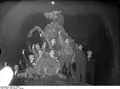
Young supporters of the Iron Front cheer from the horse-tamer statue in the Lustgarten during a night election rally of the Iron Front, the Reichsbanner and the SPD in early 1933. Whether it shows the rally of 7 February is not recorded; none of those pictured is identified.
-
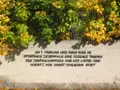
Memorial inscription at the Sporthaus Ziegenhals, photographed in 2008. It reads: 'On 7 February 1933 an illegal meeting of the Central Committee of the KPD chaired by Ernst Thälmann took place here in the Sporthaus Ziegenhals.'
-
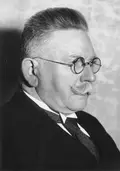
Alfred Hugenberg, Reich Minister for Economics and for Food and Agriculture, who told the cabinet on 8 February that the new duty on lard might raise its price; portrait taken during his months in Hitler's cabinet.
-
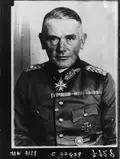
General Werner von Blomberg, Reichswehr Minister in Hitler's cabinet, who asked on 8 February that the army's basic material needs come first; press portrait distributed in Paris in January 1933.
-
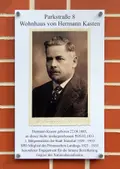
Information board on Hermann Kasten's former home at Parkstraße 8 in Staßfurt, where the Social Democratic mayor was shot; it reproduces his portrait and records his death on 5 February 1933. Photographed in 2017.
-
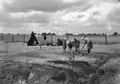
Settlers working their plots on a suburban smallholding estate on the edge of Berlin, about 1930; photograph by A. Frankl. On 9 February 1933 the cabinet committee set aside 40 million marks for such settlements and 50 million for the army. The people shown are not named in the archive record.
-
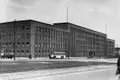
The Haus des Rundfunks in the Masurenallee, home of the Berlin Funkstunde, photographed by Max Missmann in 1932.
-
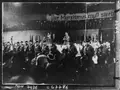
Hitler speaking at an NSDAP election rally in the Berlin Sportpalast, beneath a banner reading 'Marxism must die', with uniformed men around the platform. Press photograph by Robert Sennecke, distributed in Paris on 13 February 1933. No one else in the frame is identified.
-
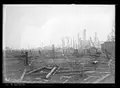
The area devastated by the gasholder explosion at the Neunkirchen ironworks, photographed two days later. Press photograph by Agence Rol.
-
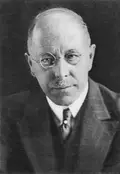
Carl Heinrich Becker, orientalist and former Prussian minister of culture, who died in Berlin on 10 February 1933; portrait of about 1925.
-
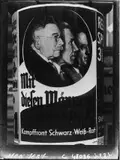
An election poster of the "Combat Front Black-White-Red" on an advertising column, February 1933, showing from front to back Alfred Hugenberg, Franz von Papen and Franz Seldte in profile above the words "Mit diesen Männern" (With these men). Press photograph by Robert Sennecke, distributed in Paris on 22 February 1933.
-
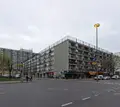
The Pallasseum housing block of 1973–77, built on the site of the Sportpalast, in 2017.
-
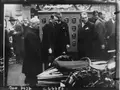
Adolf Hitler (centre) at the International Automobile Exhibition in Berlin, which he opened on 11 February 1933. The agency record does not name the men around him. Press photograph by Robert Sennecke, distributed in Paris on 13 February 1933.
-
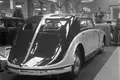
The streamlined Maybach Zeppelin at the International Automobile Exhibition at the Kaiserdamm; the archive caption calls it the finest and most expensive German car at the show, at 43,000 marks.
-
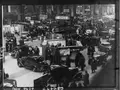
General view of the Berlin motor show, February 1933. Press photograph by Robert Sennecke, distributed in Paris on 13 February 1933.
-
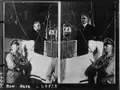
Alfred Hugenberg (left) and Franz von Papen (right) speaking at an election rally, in two photographs mounted side by side by the agency; the uniformed men in the foreground are not named. Press photograph by Robert Sennecke, distributed in Paris on 15 February 1933.
-
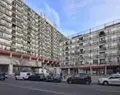
The Pallasseum, the housing block of 1973–77 that stands where the Sportpalast was, in 2019.
-
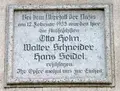
Plaque at Breiter Weg 30 in Eisleben, the former Communist headquarters: 'In the Nazi attack of 12 February 1933 the anti-fascists Otto Helm, Walter Schneider and Hans Seidel were killed here. Their sacrifice calls us to unity.'
-
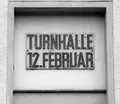
Sign reading 'Turnhalle 12. Februar' (12 February Gymnasium) on the former workers' sports hall in Eisleben, which the SA and SS stormed on 12 February 1933.
-
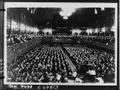
A Wagner commemoration concert in Leipzig conducted by Karl Muck, February 1933. The agency caption says that Hitler was in the audience, but no one in the packed hall can be made out. Press photograph by Robert Sennecke, distributed in Paris on 15 February 1933.
-
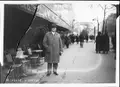
Karl Zörgiebel, police president of Dortmund, one of the officials sent on leave on 13 February 1933; here photographed in Paris in March 1928, when he headed the Berlin police. The passers-by behind him are not identifiable.
-
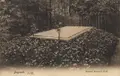
The grave of Richard Wagner in the garden of Haus Wahnfried, Bayreuth, on a postcard of about 1906. Wreaths were laid here on the fiftieth anniversary of his death.
-
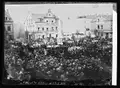
The funeral of the Neunkirchen explosion victims, 14 February 1933: a crowd fills the market square around the coffins. Photograph by the Agence Rol; no individual is identifiable.
-
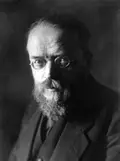
The botanist Carl Correns, one of the rediscoverers of Mendel's laws of inheritance, who died in Berlin-Dahlem on 14 February 1933; portrait from the 1910s.
-
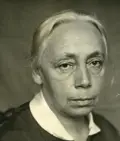
Käthe Kollwitz (1867–1945), photographed around 1930. On 15 February 1933 she was forced out of the Prussian Academy of Arts.
-
Plaque at the Academy of Arts on the Pariser Platz headed "1933 bis 1938: ausgeschlossen, ausgetreten" (excluded, resigned), listing the members who were forced out, beginning with Käthe Kollwitz and Heinrich Mann. Photographed in 2013.
-
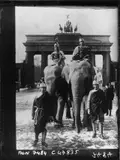
Two elephants advertising a circus on the snowy Pariser Platz in front of the Brandenburg Gate, February 1933; the riders and the two men walking beside them, all in Roman costume, are not named. Press photograph by Robert Sennecke, distributed in Paris on 16 February 1933.
-
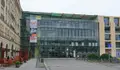
The Akademie der Künste on the Pariser Platz in 2008: Günter Behnisch's glass-fronted building of 2005 on the site of the old Academy.
-
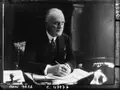
Magnus von Levetzow at his desk as Berlin's new police president, in a press photograph by Robert Sennecke distributed in Paris on 21 February 1933.
-
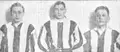
Three German ice hockey internationals, from left to right Gustav Jaenecke, Rudi Ball and Erich Römer, in a Dutch press photograph of January 1931. All three were in the German team that played the Massachusetts Rangers in February 1933.
-
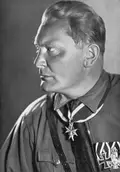
Hermann Göring in uniform, photographed in August 1932 when he was elected President of the Reichstag. In February 1933 he also controlled the Prussian police as Reich Commissioner for the Prussian Ministry of the Interior.
-
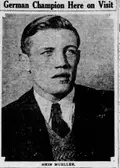
The heavyweight boxer Hein Müller of Cologne, who beat Hans Schönrath on points at the Sportpalast on 17 February 1933, in a newspaper photograph published by the St. Louis Post-Dispatch in 1929.
-
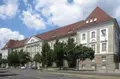
The former State Art School at Grunewaldstraße 2–5 in Schöneberg, built in 1914–20 and today the Medienhaus of the Universität der Künste, in 2013.
-
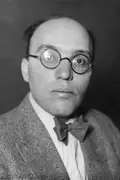
Kurt Weill, composer of Der Silbersee, photographed in Vienna in 1932.
-
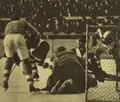
Germany against Belgium at the ice hockey World Championship in Prague, 1933: a scramble in front of goal. The players are not named in the record.
-
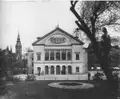
The Altes Theater on the Theaterplatz in Leipzig, where Der Silbersee had its Leipzig premiere on 18 February 1933; photograph by Hermann Walter, taken after 1899.
-
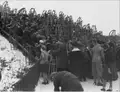
Sledgers queue for the toboggan run at the Krumme Lanke in the Grunewald on Sunday 19 February 1933. Photograph from the Willy Pragher collection; no one is named.
-
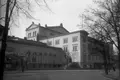
The Kroll Opera on the Platz der Republik in January 1930, when the city considered closing it. On 19 February 1933 its festival hall housed the "Free Word" congress.
-
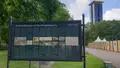
The information panel on the site of the Kroll Opera at the end of the Große Querallee, with the Carillon behind, in 2023.
-
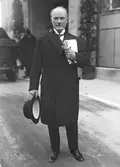
Gustav Krupp von Bohlen und Halbach in September 1931, when he became president of the Reich Association of German Industry. He thanked Hitler on the industrialists' behalf on 20 February 1933.
-
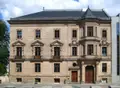
The former Reichstag President's palace in 2009, west facade facing the Reichstag. In February 1933 it was Göring's official residence.
-
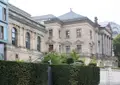
The former Reichstag President's palace on the Friedrich-Ebert-Platz in 2015, today home of the German Parliamentary Society.
-
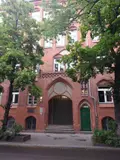
The entrance of the former Karl-Marx-Schule, today the Ernst-Abbe-Gymnasium, Sonnenallee 79 in Neukölln, with the memorial plaque for Fritz Karsen to the left of the door (photographed 2017).
-
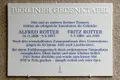
The Berlin memorial plaque for the theatre impresarios Alfred and Fritz Rotter at the Admiralspalast, which they once owned (photographed 2008).
-
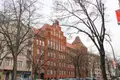
The former Karl-Marx-Schule at Sonnenallee 79 in Neukölln, today the Ernst-Abbe-Gymnasium, in 2012.
-
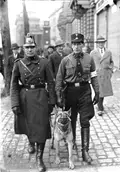
An SA man serving as an auxiliary policeman, with the white armband on his left sleeve, patrols a Berlin street beside a regular Prussian police officer on election day, 5 March 1933. Photograph by Georg Pahl; the archive record does not name either man.
-
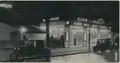
The entrance of the Gloria-Palast cinema on the Kurfürstendamm at night in 1927. Ich und die Kaiserin had its premiere here on 22 February 1933.
-
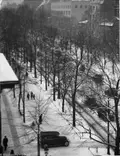
Snow in Berlin on 23 February 1933: a tree-lined avenue seen from the window of a flat. Photograph from the Willy Pragher collection; the street is not named and the passers-by cannot be identified.
-
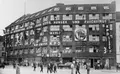
The Karl-Liebknecht-Haus on the Bülowplatz, the KPD's Berlin headquarters, decorated for a Reichstag election in 1932, with banners reading "Against war, hunger and fascism" and "Vote Communist, KPD List 3". Passers-by in the street are not identifiable. Photograph by Carl Weinrother.
-
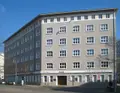
The Karl-Liebknecht-Haus on the corner of the Kleine Alexanderstraße and the Weydingerstraße in 2010, headquarters of the party Die Linke.
-
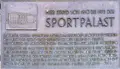
The bronze plaque at Potsdamer Straße 172 marking the site of the Sportpalast, which stood here from 1910 to 1973; photographed in 2009.
-
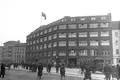
The Karl-Liebknecht-Haus on the Bülowplatz during an earlier police occupation in February 1930, ordered by the Reichsgericht; the building also housed the Communist daily Die Rote Fahne. People in the square are not identifiable.
-
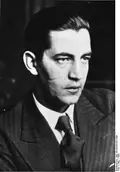
Rudolf Diels, appointed head of the Berlin political police on 24 February 1933, in a portrait from 1933.
-
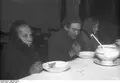
Unemployed and elderly people at a free hot lunch in a public warming hall in Neukölln, January 1931, paid for by private charity. The archive record does not name them.
-
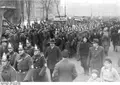
Police officers in uniform and swastika armbands march into the Lustgarten with civilians for the National Socialist election rally, 26 February 1933. The archive record does not name them.
-
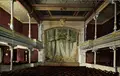
The auditorium and stage of the Rose-Theater in Große Frankfurter Straße, Berlin, on a postcard sent in 1910. On 26 February 1933 the Berthe Trümpy dance school performed here.
-
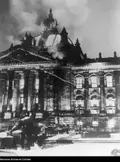
The Reichstag burning on the night of 27 February 1933: the west front with its inscription 'Dem deutschen Volke' and smoke rising from the dome. A news-agency print. The Bundestag notes that in one of the best-known photographs of that night the flames above the dome were probably the work of a retoucher.
-
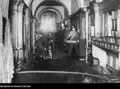
Firemen with a hose and buckets in a corridor of the Reichstag, its floor awash with water. The archive record dates the photograph only to February 1933.
-
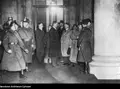
Hitler, in a light coat, among police officers and party leaders at an entrance to the Reichstag at night. The archive record names Hermann Göring, Joseph Goebbels and Prince August Wilhelm of Prussia among the group, without saying which they are, and dates the photograph only to February 1933; the others are not named.
-
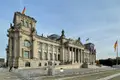
The west front of the Reichstag building in October 2021, with the inscription 'Dem deutschen Volke' above the portico and the glass dome of the 1990s rebuilding behind.
-
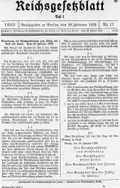
The Reichstag Fire Decree as published in the Reichsgesetzblatt, Part I, no. 17, 'issued at Berlin, 28 February 1933', page 83, with the signatures of Hindenburg, Hitler, Frick and Gürtner.
-
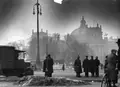
Onlookers and police in front of the Reichstag, its dome dark against the sky, on the morning after the fire.
-
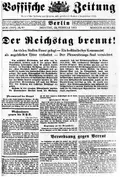
The front page of the Vossische Zeitung, morning edition of Tuesday 28 February 1933: 'Der Reichstag brennt!' (The Reichstag is burning!). The subheadings report fires laid in many places, a Dutch Communist arrested as the alleged culprit and the plenary chamber destroyed; lower down is a report headed 'Verordnung gegen Verrat' (Decree against treason).
-
The surviving prison wall in the Geschichtspark Ehemaliges Zellengefängnis Moabit in June 2017, with lines by Albrecht Haushofer set along its foot, beginning 'Von allem Leid, das diesen Bau erfüllt'.
-
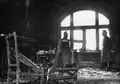
Two police officers stand guard in the burnt-out presidential box of the Reichstag's plenary chamber, with the charred chair of honour of the Reich President in the foreground.
-
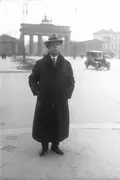
Max Reinhardt, who directed Das große Welttheater at the reopening of the Deutsches Theater on 1 March 1933, photographed on Pariser Platz in front of the Brandenburg Gate in 1930.
-
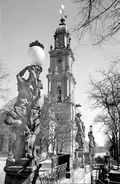
The Garrison Church in Potsdam seen from the Breite Brücke, photographed by Max Baur between about 1928 and 1944. On 2 March 1933 the cabinet chose it for the ceremonial opening of the new Reichstag.
-
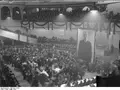
The Sportpalast packed for a speech by Chancellor Heinrich Brüning in support of Hindenburg's re-election in March 1932, with a giant portrait of Hindenburg hung in the hall. Hitler spoke in the same hall on the evening of 2 March 1933.
-
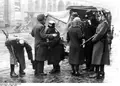
Police search passers-by for weapons during a raid in Kösliner Straße in Berlin-Wedding, 3 March 1933. Officers in shakos, some holding rifles, frisk men beside a covered lorry; the people in the photograph are not named.
-
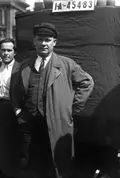
Ernst Thälmann, chairman of the Communist party, in January 1932, when he was the party's candidate for Reich President; the man behind him at left is not named in the archive record. Thälmann was arrested in Berlin on 3 March 1933 and murdered in Buchenwald in August 1944.
-
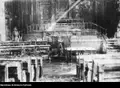
The Reichstag's plenary chamber after the fire: charred benches and desks standing in water below the burnt-out wall behind the presidium, with a uniformed officer at left. From 3 March the public was let in to see it.
-
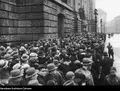
Onlookers crowd along the walls of the burnt-out Reichstag. The archive record dates the photograph to February 1933; from 3 March the public was let in to see the plenary chamber. The people are not named.
-
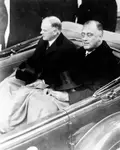
Herbert Hoover (left), the outgoing president, and Franklin D. Roosevelt in an open car on the way to the Capitol for Roosevelt's inauguration on 4 March 1933.
-
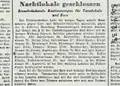
'Nachtlokale geschlossen' (Night bars closed): the Berliner Tageblatt of 4 March 1933 reports that the Berlin police president has shut fourteen bars with immediate effect on 'moral' grounds, among them the Dorian Gray and the Monokel-Bar. The Commons record describes them as the best-known gay and lesbian bars to have survived a first wave of closures in 1932.
-
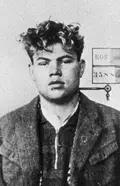
Marinus van der Lubbe, the young Dutch former Communist arrested in the burning Reichstag, in a police identification photograph taken soon after his arrest. A warrant against him was issued on 4 March.
-
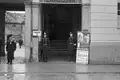
A polling station in the 'Haus der Erholung' in Weimar at the Reichstag election of 1933, guarded by a police officer and a uniformed man with an armband. The Nazi poster by the door shows Hindenburg and Hitler and asks voters to give Hitler four years and to vote 'only List 1'. The guards and the man at left are not named.
-
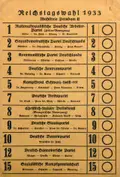
The ballot paper for the Reichstag election of March 1933 in constituency Potsdam II, with eleven party lists, beginning with the NSDAP (List 1, headed by Hitler, Frick, Göring and Goebbels), the Social Democrats (List 2), the Communists (List 3, headed by Thälmann) and the Centre (List 4).
-
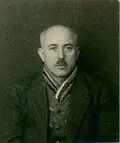
Wilhelm Leuschner, Social Democratic interior minister of Hesse, whose home in Darmstadt was occupied by SA men on the night of 6 March 1933. Arrested in June 1933 and held in the Lichtenburg concentration camp, he was photographed on his release on 10 June 1934.
-
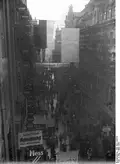
Crowds in Peterstraße in Leipzig during the spring fair of March 1932, beneath the signs and banners of the trade-fair buildings. In 1933 the fair opened on election day.
-
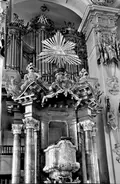
The interior of the Garrison Church in Potsdam, with its marble pulpit and the organ above, photographed by Max Baur. On 7 March 1933 Hindenburg and Hitler agreed to open the new Reichstag here.
-
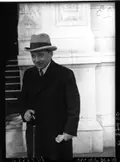
Engelbert Dollfuss, the Austrian chancellor, who began governing without parliament in March 1933, at the League of Nations in Geneva in September 1933.
-
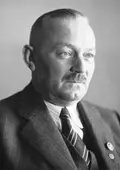
Manfred von Killinger, the Nazi Reichstag deputy whom Frick appointed Reich commissioner for the Saxon police on 8 March 1933. Portrait photograph from July 1940.
-
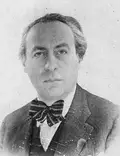
Eugen Szenkar, general music director of the Cologne opera, who stayed away from the Cologne Fidelio because Nazi demonstrations were feared. The photograph comes from his Brazilian immigration card of 1939.
-
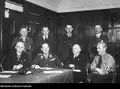
The Nazi commissarial government of Bavaria formed under Franz Ritter von Epp, photographed in March 1933. Seated from left: Ludwig Siebert, Epp, Adolf Wagner, Hans Schemm; standing from left: Ernst Röhm, Hans Frank, Hermann Esser, Georg Luber (identifications from the archive record).
-
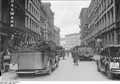
Berlin police and Nazi auxiliary police search Grenadierstraße in the Scheunenviertel, a quarter where many Eastern European Jews lived, in March 1933. The archive's original caption says they were looking for Communist leaflets and 'troublesome foreigners'. The men in the vehicles are not named.
-
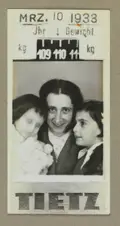
Edith Frank (centre) with her daughters Anne and Margot in a photo booth at the Tietz department store in Frankfurt am Main, 10 March 1933.
-
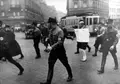
The Jewish lawyer Michael Siegel, barefoot and with a placard round his neck, being marched by uniformed Nazi guards across the Bahnhofsplatz in Munich on 10 March 1933. The humiliation was staged by the SA; the photograph was taken by the press photographer Heinrich Sanden, whose pictures Munich papers refused to print and which appeared in American newspapers.
-
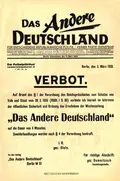
The front page of the republican weekly Das Andere Deutschland dated Saturday 11 March 1933, filled by the Berlin police president's order of 3 March, signed by Diels, banning the paper for three months under the Reichstag Fire Decree.
-
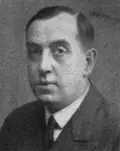
Ernst Reuter, the Social Democratic mayor of Magdeburg, whom SA men led out of the town hall on 11 March 1933 before the police took him into 'protective custody'. Portrait from the Reichstag handbook of 1932.
-
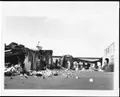
The wrecked Union High School in Compton, California, after the earthquake of the evening of 10 March 1933; a strong aftershock struck the region the next day.
-
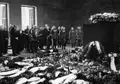
Wreath-laying in the war memorial Unter den Linden on Remembrance Day, 12 March 1933. According to the Bundesarchiv record the group includes Hindenburg, in field marshal's uniform at centre left, and Hitler; the other officers and officials are not identified. Photograph from the Scherl picture service.
-
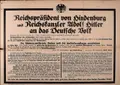
Public notice 'Reich President von Hindenburg and Reich Chancellor Adolf Hitler to the German people', printing the flag decree of 12 March 1933 and Hitler's radio address of the same afternoon.
-
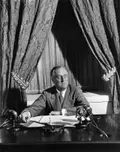
Franklin D. Roosevelt at a desk with microphones in the White House, broadcasting his first fireside chat on the banking crisis, 12 March 1933.
-
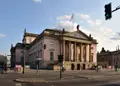
The State Opera Unter den Linden in August 2024, with the inscription 'Fridericus Rex Apollini et Musis' on its portico.
-
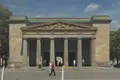
The Neue Wache on Unter den Linden in August 2018, today the Central Memorial of the Federal Republic of Germany for the Victims of War and Dictatorship.
-
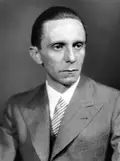
Joseph Goebbels, photographed in 1933 by Heinrich Hoffmann, Hitler's personal photographer.
-
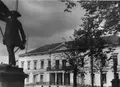
The Propaganda Ministry seen from Wilhelmplatz in July 1936. The ministry began work in this palace, then called the Palais Leopold, in March 1933.
-
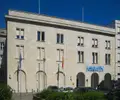
Wilhelmstraße 49 in June 2010, the main entrance of the Federal Ministry of Labour and Social Affairs. According to the Commons record the building went up in 1885 beside the Palais Leopold, which has not survived, and was absorbed into the Propaganda Ministry in the 1930s.
-
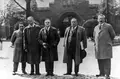
Carl von Ossietzky, editor of Die Weltbühne, outside Tegel prison on 10 May 1932 as he began a prison sentence, with (left to right) Kurt Grossmann, Rudolf Olden, Ossietzky, the lawyer Alfred Apfel and Kurt Rosenfeld.
-
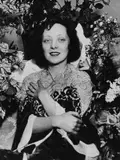
Anny Ahlers in April 1932, a year before her death in London.
-
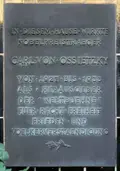
The plaque at Kantstraße 152 in Berlin-Charlottenburg recording that the Nobel Peace Prize winner Carl von Ossietzky worked in this building as editor of Die Weltbühne from 1927 to 1933, photographed in 2009.
-
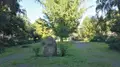
The memorial to the politically persecuted residents of the artists' colony on Ludwig-Barnay-Platz, Berlin-Wilmersdorf, in 2017.
-
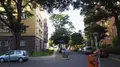
Apartment houses of the artists' colony around Ludwig-Barnay-Platz in Berlin-Wilmersdorf in August 2017.
-
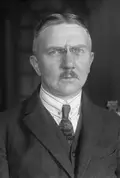
Hjalmar Schacht, former and future president of the Reichsbank, photographed in 1931.
-
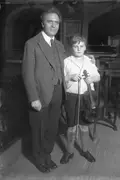
Bruno Walter with the young violinist Yehudi Menuhin in Berlin in April 1929, when Menuhin first played a Mozart concerto there under Walter's baton.
-
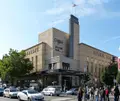
The Titania-Palast in Schloßstraße, Berlin-Steglitz, in 2012.
-
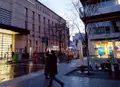
The Titania-Palast in Schloßstraße, Berlin-Steglitz, on an evening in February 2022, during the Berlin film festival.
-
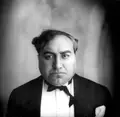
Kurt Gerron in a publicity portrait of 1928. The director of Heut' kommt's drauf an was murdered at Auschwitz in 1944.
-
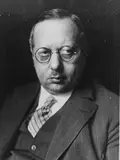
The economist and statistician Ernst Wagemann, suspended as president of the Statistical Reich Office on 17 March 1933.
-
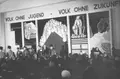
Goebbels opening the exhibition 'Die Frau' in the Kaiserdamm halls, Berlin, March 1933, under the banner 'Volk ohne Jugend – Volk ohne Zukunft' (A people without youth – a people without a future).
-
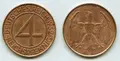
Both sides of the four-Reichspfennig coin of 1932, withdrawn under the decree of 18 March 1933.
-
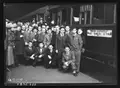
The French national football team and officials at the Gare du Nord in Paris on 17 March 1933, before leaving for the match against Germany in Berlin two days later. The archive record does not name the players or the people around them.
-
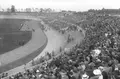
The crowd in the Deutsches Stadion at the German football championship final between 1. FC Nürnberg and Hamburger SV, 8 June 1924. The Germany–France match of 1933 was played in the same stadium.
-
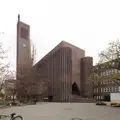
The Kirche am Hohenzollernplatz in Berlin-Wilmersdorf in April 2016.
-
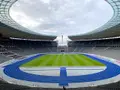
Inside the Olympiastadion in March 2023, looking towards the Marathon Gate and the bell tower beyond. The stadium was built in 1934–36 on the site of the Deutsches Stadion, where Germany played France on 19 March 1933.
-
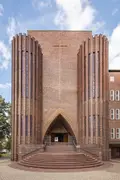
Fritz Höger's Kirche am Hohenzollernplatz in Berlin-Wilmersdorf, consecrated on 19 March 1933, in July 2023.
-
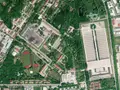
Aerial view of Dachau in 2012: on the right the Concentration Camp Memorial, on the site of the camp announced by Himmler on 20 March 1933; on the left the grounds of the former royal powder and munitions factory and later SS barracks.
-
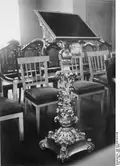
Final preparations in the Garrison Church at Potsdam. According to the archive caption, the old gilded lectern from which Hindenburg and Hitler were to speak at 'tomorrow's' state ceremony had been set up before the altar 'today', the day before the Day of Potsdam.
-
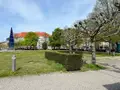
Theodor-Heuss-Platz in Berlin-Westend in May 2023, with the blue obelisk on the square. From 1933 to 1945 it was called Adolf-Hitler-Platz.
-
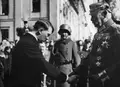
Hitler bows to Hindenburg, in field marshal's uniform, as they shake hands on the Day of Potsdam, 21 March 1933; a Reichswehr soldier and onlookers stand behind them.
-
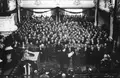
Inside the Garrison Church during Hitler's speech on 21 March 1933, with Hindenburg seated at right before the altar and the deputies and guests filling the nave and galleries.
-
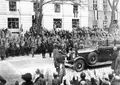
The arrival of Hindenburg in Potsdam for the opening of the Reichstag, 21 March 1933: an open car draws up before ranks of uniformed men and a dense crowd, with spectators at every window; many in the foreground raise their arms in the Nazi salute. No one is named in the archive record.
-
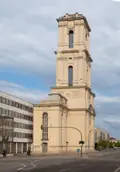
The rebuilt tower of the Garrison Church in Potsdam, opened in August 2024, photographed in May 2026.
-
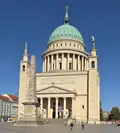
Schinkel's St. Nikolaikirche on Potsdam's Alter Markt, with the obelisk in front, in September 2025.
-
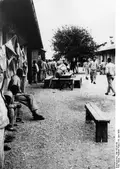
Prisoners in front of the barracks at Dachau, 10 June 1933. The photograph was taken by Friedrich Franz Bauer, who photographed the camp for the regime's own presentation of it; it shows nothing of the violence inside.
-
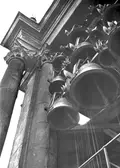
The carillon in the tower of the Garrison Church in Potsdam, photographed by Max Baur between about 1928 and 1944. From 22 March 1933 the Deutschlandsender used its opening notes as an interval signal.
-
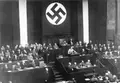
Hitler speaks for the Enabling Act in the Reichstag at the Kroll Opera House, 23 March 1933, beneath a giant swastika banner; the government bench is on the right and the presidium above. Photograph by Georg Pahl.
-
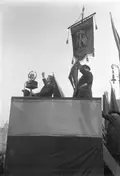
Otto Wels speaking at a rally of the republican 'Iron Front' in the Berlin Lustgarten in March 1932, beside a Reichsbanner standard-bearer.
-
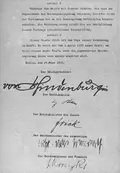
The second page of the Enabling Act, dated 'Berlin, den 24. März 1933', with the signatures of Hindenburg, Hitler, Frick, von Neurath and Schwerin von Krosigk.
-
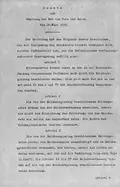
The first page of the Enabling Act: 'Gesetz zur Behebung der Not von Volk und Reich. Vom 24. März 1933', Articles 1 to 3.
-
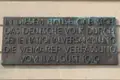
The plaque now on the German National Theatre in Weimar, photographed in 2009. It repeats the inscription of the bronze plaque removed on 25 March 1933.
-
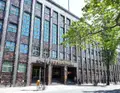
The Haus des Rundfunks on Masurenallee, today the headquarters of Rundfunk Berlin-Brandenburg, in May 2020.
-
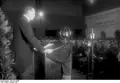
Heinrich Sahm, Lord Mayor of Berlin, speaking at the opening of the Green Week exhibition in January 1932.
-
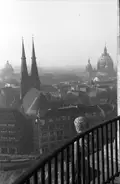
The twin spires of the Nikolaikirche seen from the Stadthaus, photographed by Willy Pragher in November 1938.
-
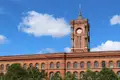
The Berliner Rathaus (Rotes Rathaus) seen from Rathausstraße in August 2016.
-
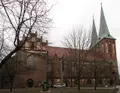
The Nikolaikirche in the Nikolaiviertel, Berlin-Mitte, in March 2016.
-
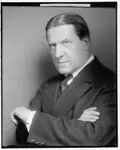
Rabbi Stephen S. Wise, honorary president of the American Jewish Congress, who opened the Madison Square Garden protest on 27 March 1933. Studio portrait by Harris & Ewing.
-
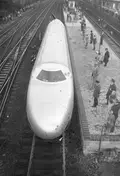
Kruckenberg's rail Zeppelin leaving Spandau station after its run from Hamburg in June 1931, still in its original propeller-driven form. By March 1933 it had been rebuilt without the propeller.
-
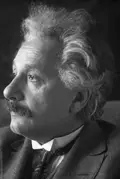
Albert Einstein, photographed by Georg Pahl in September 1930. On 28 March 1933, landing in Belgium, he broke with the Prussian Academy of Sciences and moved to give up his Prussian citizenship.
-
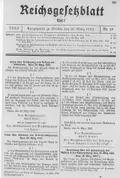
The 'Lex van der Lubbe' as printed in the Reichsgesetzblatt (1933 Part I, p. 151), dated Berlin, 29 March 1933 and signed by Hitler and, for the Justice Minister, by Papen.
-
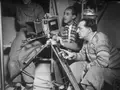
The director Fritz Lang (right) at the camera during the shooting of Frau im Mond in October 1929; the two men with him are not named in the record. On 29 March 1933 the censors banned his new film, Das Testament des Dr. Mabuse.
-
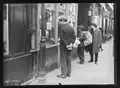
A man in the rue du Sentier, Paris, reads a notice in a shop window announcing that representatives of German firms will not be received, 30 March 1933. Boycotts of German goods abroad were what Streicher's committee claimed to be answering. The passers-by are not named.
-
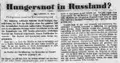
'Hungersnot in Russland?': the Berliner Tageblatt's telephoned report from London, dated 31 March, on Gareth Jones's account of famine in the Soviet Union.
-
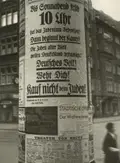
An advertising column in Berlin on 31 March 1933 with the poster of the Nazi party's Greater Berlin action committee: Jewry had until ten o'clock on Saturday morning to think it over, 'then the fight begins'. Below it hang ordinary bills for the Städtische Oper and the cinemas.
-
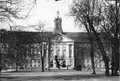
The Kammergericht in Elßholzstraße, Berlin-Schöneberg, photographed in 1938. On 31 March 1933 SA men forced Jewish judges and lawyers out of the building.
-
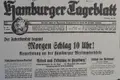
Front page of the Hamburger Tageblatt, the Nazi daily in Hamburg, for Friday 31 March 1933: 'Der Judenboykott beginnt. Morgen Schlag 10 Uhr!' ('The Jewish boycott begins. Tomorrow on the stroke of ten!'), beside the committee's guidelines for the boycott.
-
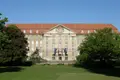
The Kammergericht from the Kleistpark in 2008. A plaque at the main entrance remembers Berlin's persecuted Jewish jurists.
-
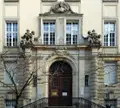
The Elßholzstraße portal of the Kammergericht in Berlin-Schöneberg, photographed in 2009.
-
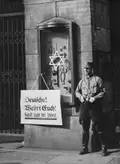
An SA man on guard outside a Tietz store in Berlin on 1 April 1933. A Star of David has been daubed on the display case, and the placard reads 'Germans! Defend yourselves! Don't buy from Jews!'.
-
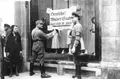
An SA man fixes a placard reading 'Germans! Defend yourselves! Don't buy from Jews!' to the window of a Berlin clothes shop on 1 April 1933, watched by a second SA man, a young woman and other passers-by. Photograph by Georg Pahl; the shop and the people are not named in the record.
-
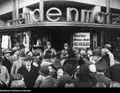
A crowd outside the Hemdenmatz shirt shop in Berlin on 1 April 1933, while SA men stand in its doorway beside the placard 'Germans! Defend yourselves! Don't buy from Jews!'. Press photograph from the Robert Sennecke agency; nobody in the crowd is named.
-
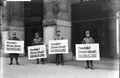
Four SA men with boycott placards outside the N. Israel department store in Berlin. Photograph by Georg Pahl.
-
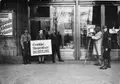
SA and SS men outside the Wertheim department store in Berlin during the boycott; one wears a placard with the boycott slogan, and a cameraman films on the right.
-
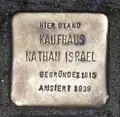
The Stolperstein for the N. Israel department store at the corner of Spandauer Straße and Rathausstraße, inscribed 'Hier stand Kaufhaus Nathan Israel, gegründet 1815, arisiert 1939' (here stood the N. Israel department store, founded 1815, 'Aryanised' 1939). Photograph of 2008.
-
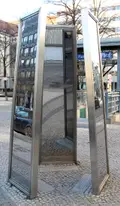
Rainer Görß's 'Denkzeichen Modezentrum Hausvogteiplatz' of 2000: three tall mirrored panels at the U-Bahn exit on Hausvogteiplatz, photographed in 2015.
-
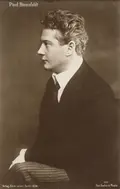
The actor Paul Biensfeldt (1869–1933), a long-standing member of Max Reinhardt's ensemble, photographed by the Berlin studio Becker & Maass around 1920.
-
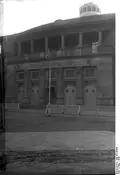
The Schiller-Theater in Charlottenburg in 1930, when the Berlin authorities proposed closing it to save money. In early April 1933 the audience at its last performance of La Vallière stormed the box office for their money back.
-
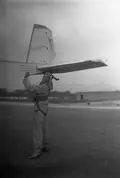
The aviator Elly Beinhorn holding up the tail of her aeroplane, which bears her name, in a press photograph the Bundesarchiv dates to April 1933 and captions with her award of the Hindenburg Cup.
-
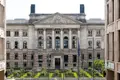
The former Prussian House of Lords on Leipziger Straße, today the seat of the Bundesrat, in 2016. The 'German Christians' held their rally here on 3 April 1933.
-
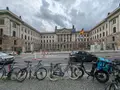
The former Prussian House of Lords, seat of the Bundesrat, seen across Leipziger Straße in July 2023.
-
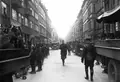
Schutzpolizei and Nazi auxiliary police with their lorries in Grenadierstraße in the Scheunenviertel, Berlin's Jewish quarter, during a search the Bundesarchiv dates to April 1933. None of the men is named.
-
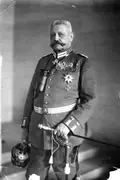
Paul von Hindenburg as field marshal in 1916. On 4 April 1933 the Reich President asked Hitler to spare Jewish war veterans from dismissal.
-
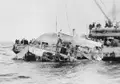
Wreckage of the US Navy airship Akron, lost in a storm over the Atlantic on 4 April 1933, being raised by salvage vessels later that month. The sailors are not named.
-
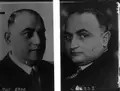
Press portraits of the Berlin theatre impresarios Alfred and Fritz Rotter, distributed in January 1933; the record does not say which brother is which. On 5 April Alfred Rotter and his wife died fleeing a kidnap attempt in Liechtenstein.
-
A memorial mirror in the ravine below Gaflei, Liechtenstein, recalls Alfred and Gertrud Rotter, who died here on 5 April 1933. Photograph of 2024.
-
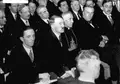
The foreign press reception in Berlin on 6 April 1933. In the front row, from left: Joseph Goebbels, Adolf Hitler and the papal nuncio Orsenigo; the guests seated behind them are not identified in the archive record.
-
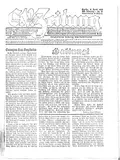
Front page of the CV-Zeitung, the weekly of the Central Association of German Citizens of Jewish Faith, for 6 April 1933.
-
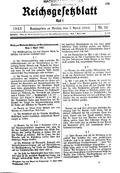
The first page of the Law for the Restoration of the Professional Civil Service in the Reich Law Gazette, Part I, No. 34, issued in Berlin on 7 April 1933. Paragraph 3, on officials 'not of Aryan descent', begins at the top of the right-hand column.
-
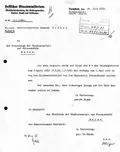
The Hessian State Ministry's notice of 14 July 1933 that the Mainz teacher Johanna Sichel had been dismissed from state service under §4 of the law of 7 April 1933 (RGBl. I S. 175), with effect from 1 July.
-
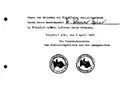
A pass dated 8 April 1933 in which the senior officials of the Frankfurt appeal and regional courts state that there are 'no objections' to the lawyer Dr Selmar Spier entering the court buildings. Jewish lawyers across Germany now needed such permission to practise.
-
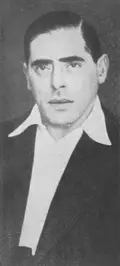
Erik Jan Hanussen (Hermann Steinschneider), the clairvoyant whose body was identified on 8 April 1933. Photograph published in The Sphere in June 1933.
-
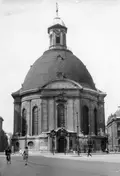
The Dreifaltigkeitskirche (Holy Trinity Church) in Mauerstraße around 1930, where Hindenburg attended a confirmation on Palm Sunday 1933.
-
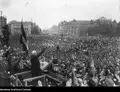
Reich President Paul von Hindenburg on the platform during the first state 'Holiday of National Labour' in Berlin, 1 May 1933, the holiday created by the law signed on 10 April. Press photograph by Robert Sennecke.
-
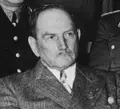
Franz Ritter von Epp, appointed Reich governor in Bavaria on 10 April 1933, photographed in 1937.
-
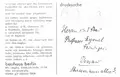
Invitation from the Bauhaus Berlin to a costume party for its friends in February 1933, addressed to the painter Lyonel Feininger in Dessau. The sender's address is the school's building in Birkbuschstraße, Steglitz, 'ecke Siemensstraße', which police and SA searched and sealed on 11 April.
-
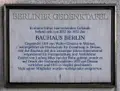
The Berlin memorial plaque at Birkbuschstraße 49 marking the site of the Bauhaus, searched and sealed on 11 April 1933.
-
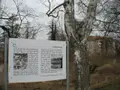
Memorial board on the Rednitz riverside promenade in Fürth for Rudolf Benario and Ernst Goldmann, canoe club members murdered at Dachau on 12 April 1933.
-
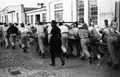
Prisoners at Dachau forced to haul a heavy wagon under the eye of an SS guard, May 1933. The photograph was taken by Friedrich Franz Bauer for regime propaganda; none of the prisoners can be identified.
-
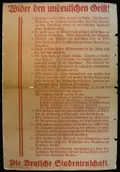
The poster 'Wider den undeutschen Geist!' with the German Student Union's twelve theses, posted at universities from 13 April 1933. Photograph of a facsimile; original in the Staatsarchiv Würzburg.
-
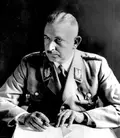
Bernhard Rust, Reich commissioner for the Prussian Ministry of Culture, who on 13 April 1933 suspended the first sixteen university teachers under the Civil Service law. Portrait of 1934.
-
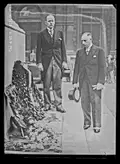
Colonel Leo Geyr von Schweppenburg and Captain Wassner, Germany's military and naval attachés, at the Cenotaph in Whitehall beside a wreath, April 1933. The archive record does not say which man is which.
-
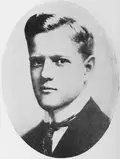
Victor F. Ridder, publisher of the New Yorker Staats-Zeitung, in a portrait published in 1914. In April 1933 he landed from the liner Bremen with a German-American delegation and went on to Berlin to see conditions for himself.
-
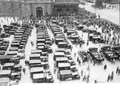
Cars parked in front of the opera on Unter den Linden, Berlin, 1930, as captioned by the Bundesarchiv; the State Opera relayed the third act of Parsifal on Easter Saturday 1933.
-
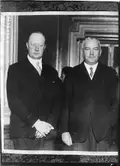
Albrecht Graf von Bernstorff (left), counsellor at the German embassy in London, with Konstantin von Neurath, then ambassador there and Foreign Minister from 1932, in a press photograph of 1930. On Easter Saturday 1933 Bernstorff, as chargé d'affaires, handed in the German protest at the Foreign Office.
-
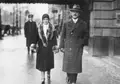
Thomas Mann and his wife Katia leaving the Hotel Adlon in Berlin in 1929. On Easter Sunday 1933 Munich's 'protest' against his Wagner lecture was published.
-
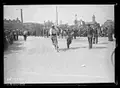
A rider in the Paris–Roubaix race passing through Amiens on Easter Sunday, 16 April 1933, watched by spectators; the archive record does not name him. Press photograph, Agence Rol.
-
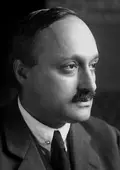
James Franck in 1925, the year of his Nobel Prize. On 17 April 1933 he resigned his Göttingen chair in protest.
-
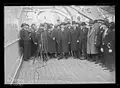
Édouard Herriot, the former French prime minister, among officials and journalists on the deck of the liner Île de France at Le Havre before sailing for the United States, 17 April 1933; a newsreel camera stands at left. The record also names the politician René Renoult; the others are not identified.
-
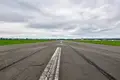
A former runway of Tempelhof airport, now part of the Tempelhofer Feld park, in May 2024, with the airport buildings low on the horizon at right.
-
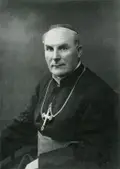
Cardinal Michael von Faulhaber, Archbishop of Munich, about 1936. In April 1933 he asked for fathers held in 'protective custody' in Bavaria to be released for Easter.
-
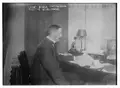
Count Dietlof von Arnim-Boitzenburg, president of the Prussian House of Lords, at his desk around 1915. His death was announced on 18 April 1933.
-
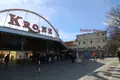
The entrance of the Circus Krone building in Munich in 2017. On 19 April 1933 the hall was used for a Nazi rally against Jewish lawyers and judges.
-
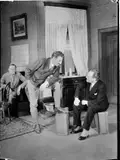
A scene from Hanns Johst's 'Schlageter' in the Stuttgart State Theatre's production, which opened on 22 April 1933, two days after the Berlin premiere; directed by Bertold Sakmann, with sets by Felix Cziossek. The three actors are not identified.
-
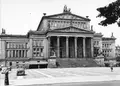
The Schauspielhaus on the Gendarmenmarkt around 1930, where Johst's 'Schlageter' had its premiere on 20 April 1933. Photograph by A. Frankl.
-
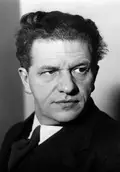
The writer Hanns Johst, author of 'Schlageter', in a Scherl press portrait of 1933.
-
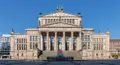
The Konzerthaus Berlin, Schinkel's former theatre on the Gendarmenmarkt, photographed in April 2015.
-
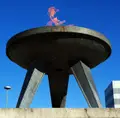
The Eternal Flame on Theodor-Heuss-Platz, the square renamed Adolf-Hitler-Platz on 21 April 1933.
-
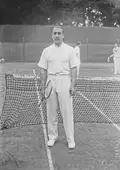
Daniel Prenn, Germany's leading tennis player, in 1930. On 21 April 1933 he partnered the King of Sweden in Berlin, while the press was already discussing who would replace him in the Davis Cup team.
-
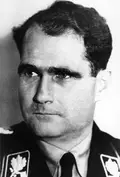
Rudolf Hess in 1933, the year Hitler made him 'Deputy of the Führer'.
-
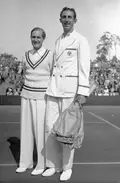
Gottfried von Cramm (left) and the Irish player C. S. Rogers before a Davis Cup match on the Rot-Weiss courts in Berlin, June 1932. In April 1933 von Cramm led the trials for the German team.
-
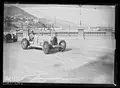
Achille Varzi in his Bugatti at the Monaco Grand Prix, 23 April 1933, which he won in record time. Press photograph, Agence Rol.
-
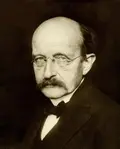
The physicist Max Planck, president of the Kaiser Wilhelm Society, who turned 75 on 23 April 1933. The archive dates the portrait to January 1933.
-
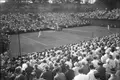
Daniel Prenn (left) playing the American Hunter in a Davis Cup tie on the Rot-Weiss courts in Berlin-Grunewald, July 1929, before a very large crowd. In April 1933 Prenn was left out of the German team after the tennis federation barred Jewish members.
-
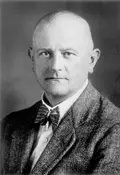
Ludwig Müller, military district chaplain in Königsberg and a leader of the "German Christians", whom Hitler named his liaison to the Protestant church.
-
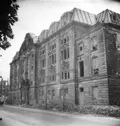
The former School of Applied Arts at Prinz-Albrecht-Straße 8, headquarters of the Gestapo from 1933, as a war ruin in June 1949. The building was later demolished.
-
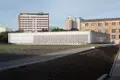
The Topography of Terror documentation centre on the site of the former Gestapo headquarters, photographed in 2022.
-
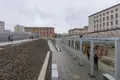
The Topography of Terror site in November 2013: on the left the documentation centre, on the right the excavated basement walls of the Gestapo headquarters beneath a surviving stretch of the Berlin Wall.
-
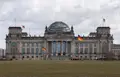
The west front of the Reichstag building with Norman Foster's glass dome, photographed in March 2014.
-
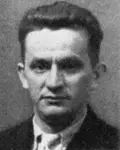
Albert Funk (1894–1933), miner, trade unionist and Communist Reichstag deputy, who died after torture at Recklinghausen police headquarters on 27 April 1933.
-
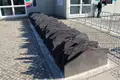
The memorial to the 96 Reichstag deputies murdered by the Nazis, in front of the Reichstag building, photographed in 2014.
-
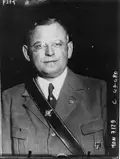
Franz Seldte, leader of the Stahlhelm and Reich Labour Minister, in a press portrait of early 1933 from the Berlin agency Robert Sennecke. On 27 April 1933 he joined the Nazi Party.
-
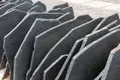
The memorial to the 96 Reichstag deputies murdered by the Nazis, in front of the Reichstag building, in November 2016: cast-iron plates set on edge, each inscribed along its top with a deputy's name.
-
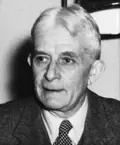
Wolfgang Köhler, one of the founders of Gestalt psychology and director of the Psychological Institute at Berlin University.
-
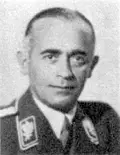
Hans von Tschammer und Osten, appointed Reich Sports Commissioner on 28 April 1933, in a portrait from 1938.
-
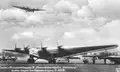
The Junkers G 38 "Generalfeldmarschall v. Hindenburg" on the ground, with its sister aircraft D-AZUR flying overhead; both carried airborne restaurants.
-
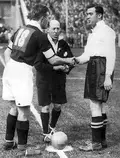
The captains Sam Cowan of Manchester City (number 18) and Dixie Dean of Everton shake hands before the FA Cup final at Wembley on 29 April 1933. The referee between them is not named in the source.
-
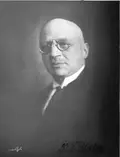
Fritz Haber, director of the Kaiser Wilhelm Institute for Physical Chemistry and Electrochemistry, around 1929.
-
The Fritz Haber Institute in Berlin-Dahlem, photographed in 2012.
-
The main entrance of the Fritz Haber Institute of the Max Planck Society in Berlin-Dahlem, photographed in March 2013.
-
Aerial photograph of the crowd on the Tempelhofer Feld on 1 May 1933.
-
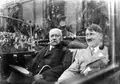
President Hindenburg and Chancellor Hitler driving to the youth rally in the Lustgarten on 1 May 1933. Photograph by Georg Pahl.
-
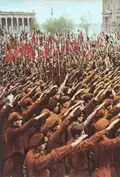
Hitler Youth members at the rally in the Lustgarten on 1 May 1933.
-
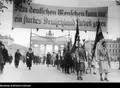
Young people march across Pariser Platz, with the Brandenburg Gate behind them, on 1 May 1933, girls with flags at the front. The banner reads "Only a strong Germany can give the German people work". The marchers are not identified.
-
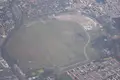
The Tempelhofer Feld from the air in December 2020: the former airfield, with its runways, is now a public park.
-
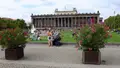
The Lustgarten in August 2024: lawns and a fountain in front of Schinkel's Altes Museum.
-
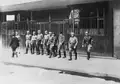
SA men guard the entrance of a trade union headquarters in Berlin, closed during the suppression of the unions on 2 May 1933. The men are not identified.
-
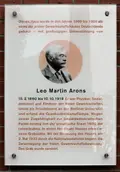
Memorial plaque at Engeldamm 62–64 in Berlin-Mitte, recalling Leo Arons and the occupation of the union house on 2 May 1933, photographed in 2009.
-
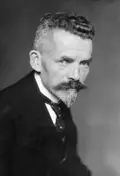
Theodor Leipart, chairman of the General German Trade Union Federation (ADGB), in 1924. He was arrested on 2 May 1933.
-
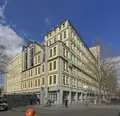
The former ADGB headquarters by Max Taut and Franz Hoffmann at the corner of Wallstraße and Inselstraße, photographed in April 2022.
-
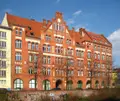
The former trade union house at Engeldamm 62–64, built in 1899–1900, photographed in March 2010.
-
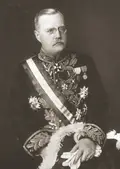
Alfred Wysocki, Polish envoy in Berlin, in diplomatic dress uniform.
-
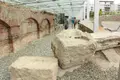
Excavated brick cellar walls of the former Gestapo headquarters at the Topography of Terror, with the outdoor exhibition beside them, in August 2016.
-
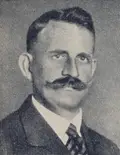
Hans Vogel, co-chairman of the SPD with Otto Wels, in the 1920s. On 4 May 1933 the party executive decided to send both men abroad to set up an office in exile.
-
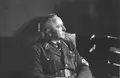
Robert Ley, whose action committee declared on 4 May 1933 that the "German Labour Front" now stood, photographed in party uniform in 1933.
-
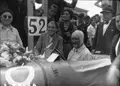
Count Stanisław Czaykowski in his Bugatti at the Provence Trophy race in May 1932.
-
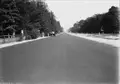
The Avus in September 1929: the long straight of the private race and test track through the Grunewald, where Count Czaykowski set his world one-hour record on 5 May 1933.
-
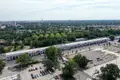
The Avus grandstand beside the Berlin exhibition grounds, seen from the air in June 2022; it was built in 1936–37, after Czaykowski's record.
-
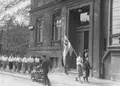
Students of the College of Physical Education line up in front of the Institute for Sexual Science in Berlin before plundering it on 6 May 1933. The individuals are not identified.
-
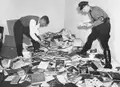
Two young men, one in SS uniform, look through papers taken from the institute's library on 6 May 1933, among them copies of the journal Die Ehe. They are not identified.
-
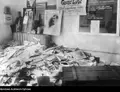
Papers and publications from the Institute for Sexual Science heaped on the floor after the raid of 6 May 1933, below a board listing the institute's rooms and a poster bearing Magnus Hirschfeld's name and portrait.
-
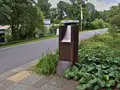
The memorial stele by Georg Seibert (1994) for the Institute for Sexual Science and Magnus Hirschfeld, on the Spree bank at Bettina-von-Arnim-Ufer, photographed in August 2016.
-
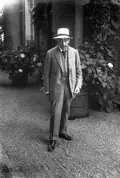
Max Liebermann in front of his summer villa at Wannsee, July 1932.
-
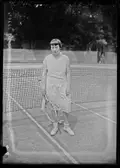
Nelly Neppach at the French international tennis championships at Saint-Cloud, May 1927.
-
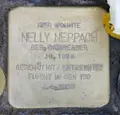
Stolperstein for Nelly Neppach in Berlin-Wilmersdorf, photographed the day after it was laid in October 2015.
-
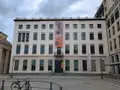
Haus Liebermann on Pariser Platz, next to the Brandenburg Gate, in June 2025, hung with a banner for the exhibition 'Liebermanns Welt'.
-
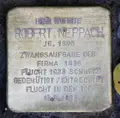
The Stolperstein for Robert Neppach, laid beside his wife Nelly's and photographed the day after it was laid in October 2015. It records that he was forced to give up his firm in 1936, fled to Switzerland in 1938 and took his own life on 18 August 1939.
-
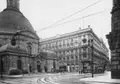
The Hotel Kaiserhof on Wilhelmplatz in Berlin, where Goebbels addressed the theatre directors, photographed in 1931; the archive title also names the neighbouring Trinity Church.
-
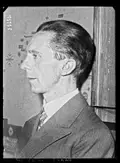
Joseph Goebbels, Reich Minister for Popular Enlightenment and Propaganda, in a 1933 press portrait from the Agence Rol. On 8 May 1933 he told the theatre directors at the Hotel Kaiserhof that the upheaval reached into every area of public life.
-
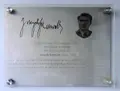
Memorial plaque at Nürnberger Straße 68 in Berlin-Schöneberg, recording that the tenor and cantor Joseph Schmidt lived there from 1930 to 1933; photographed in 2010.
-
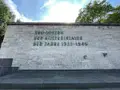
The memorial wall at the Plötzensee Memorial, dedicated to the victims of the Hitler dictatorship of 1933–1945, in 2021.
-
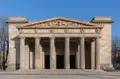
Schinkel's Neue Wache on Unter den Linden, since 1993 the Central Memorial of the Federal Republic of Germany, photographed in February 2015.
-
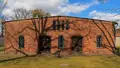
The former execution shed of Plötzensee prison, now at the centre of the Plötzensee Memorial, photographed in April 2015.
-
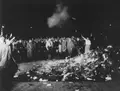
Books collected by Berlin students burn on the Opernplatz, watched by uniformed men and a crowd giving the Nazi salute. The individuals are not identified.
-
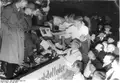
Students, some in SA uniform, handle confiscated books on a lorry that took them to the burning on the Opernplatz, 10 May 1933. The individuals are not identified.
-
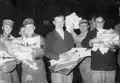
Students and SA men with armfuls of books and papers at the burning place on the Opernplatz, 10 May 1933. They are not identified.
-
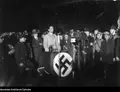
Joseph Goebbels speaks into the microphones at the book burning on the Opernplatz on the night of 10 May 1933, among uniformed men and civilians. Apart from Goebbels, the people are not identified.
-
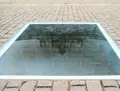
Micha Ullman's memorial "Library" on Bebelplatz: a glass plate set into the paving above an underground room of empty shelves, photographed in 2012.
-
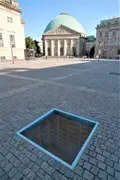
Micha Ullman's "Library" set into the paving of Bebelplatz in August 2009: through the glass plate, empty shelves below ground; behind it, St Hedwig's Cathedral.
-
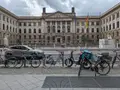
The former Prussian House of Lords on Leipziger Straße, seat of the Bundesrat since 2000, photographed in July 2023.
-
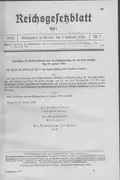
Reichsgesetzblatt Teil I: Verordnung des Reichspräsidenten über den Reichskommissar für das Land Preußen
-
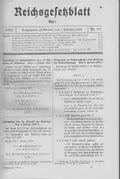
Reichsgesetzblatt Teil I: Verordnung des Reichspräsidenten über die Auflösung des Reichstags
-
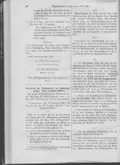
Reichsgesetzblatt Teil I: Verordnung des Reichspräsidenten über Änderung des Reichswahlgesetzes, page 2 of 2
-
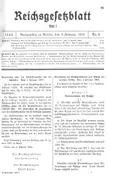
Reichsgesetzblatt Teil I: Verordnung über den Reichskommissar für die Luftfahrt
-
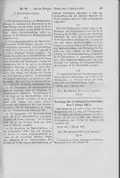
Reichsgesetzblatt Teil I: Verordnung zur Durchführung des Reichswahlgesetzes, page 2 of 3
-
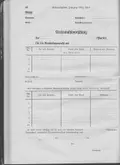
Reichsgesetzblatt Teil I: Verordnung zur Durchführung des Reichswahlgesetzes, page 3 of 3
-
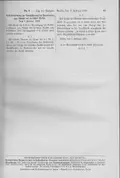
Reichsgesetzblatt Teil I: Erste Verordnung zur Durchführung der Verordnung zum Schutze des deutschen Volkes
-
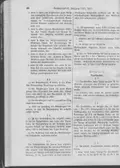
Reichsgesetzblatt Teil I: Verordnung des Reichspräsidenten zum Schutze des deutschen Volkes, page 2 of 6
-
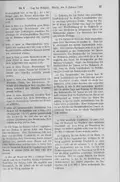
Reichsgesetzblatt Teil I: Verordnung des Reichspräsidenten zum Schutze des deutschen Volkes, page 3 of 6
-
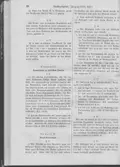
Reichsgesetzblatt Teil I: Verordnung des Reichspräsidenten zum Schutze des deutschen Volkes, page 4 of 6
-
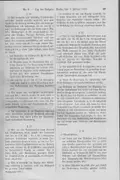
Reichsgesetzblatt Teil I: Verordnung des Reichspräsidenten zum Schutze des deutschen Volkes, page 5 of 6
-
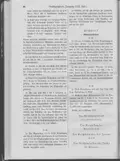
Reichsgesetzblatt Teil I: Verordnung des Reichspräsidenten zum Schutze des deutschen Volkes, page 6 of 6
-
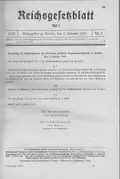
Reichsgesetzblatt Teil I: Verordnung des Reichspräsidenten zur Herstellung geordneter Regierungsverhältnisse in Preußen
-
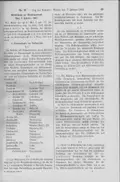
Reichsgesetzblatt Teil I: Verordnung zur Reichstagswahl, page 1 of 3
-
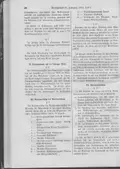
Reichsgesetzblatt Teil I: Verordnung zur Reichstagswahl, page 2 of 3
-
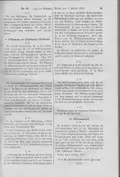
Reichsgesetzblatt Teil I: Verordnung zur Reichstagswahl, page 3 of 3
-
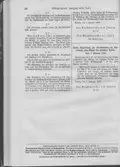
Reichsgesetzblatt Teil I: Dritte Verordnung zur Durchführung der Verordnung zum Schutze des deutschen Volkes
-
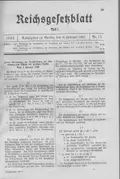
Reichsgesetzblatt Teil I: Zweite Verordnung zur Durchführung der Verordnung zum Schutze des deutschen Volkes, page 1 of 2
-
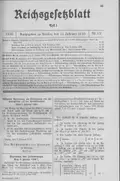
Reichsgesetzblatt Teil I: Verordnung über Zolländerungen, page 1 of 2
-
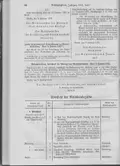
Reichsgesetzblatt Teil I: Verordnung über Zolländerungen, page 2 of 2
-
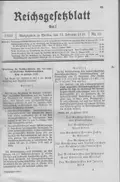
Reichsgesetzblatt Teil I: Verordnung des Reichspräsidenten über den landwirtschaftlichen Vollstreckungsschutz
-
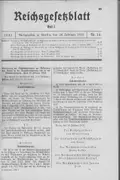
Reichsgesetzblatt Teil I: Verordnung des Reichspräsidenten zur Milderung von Härten in der Sozialversicherung und in der Reichsversorgung
-
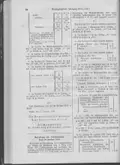
Reichsgesetzblatt Teil I: Verordnung über Zolländerungen, page 1 of 3
-
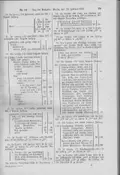
Reichsgesetzblatt Teil I: Verordnung über Zolländerungen, page 2 of 3
-
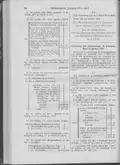
Reichsgesetzblatt Teil I: Verordnung über Zolländerungen, page 3 of 3
-
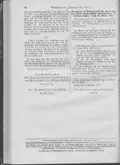
Reichsgesetzblatt Teil I: Verordnung des Reichsministers des Innern über das Verbot kommunistischer Demonstrationen im Freistaat Sachsen
-
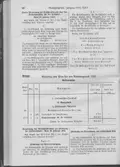
Reichsgesetzblatt Teil I: Verordnung des Reichspräsidenten zur Förderung der Landwirtschaft, page 1 of 2
-
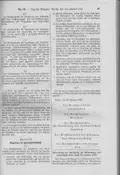
Reichsgesetzblatt Teil I: Verordnung des Reichspräsidenten zur Förderung der Landwirtschaft, page 2 of 2
-
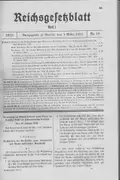
Reichsgesetzblatt Teil I: Verordnung des Reichspräsidenten gegen Verrat am Deutschen Volke und hochverräterische Umtriebe, page 1 of 3
-
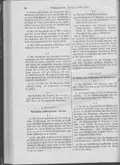
Reichsgesetzblatt Teil I: Verordnung des Reichspräsidenten gegen Verrat am Deutschen Volke und hochverräterische Umtriebe, page 2 of 3
-
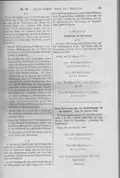
Reichsgesetzblatt Teil I: Verordnung des Reichspräsidenten gegen Verrat am Deutschen Volke und hochverräterische Umtriebe, page 3 of 3
-
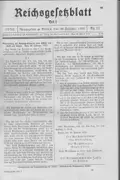
Reichsgesetzblatt Teil I: Verordnung des Reichspräsidenten zum Schutz von Volk und Staat
-
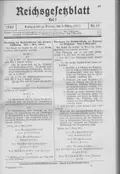
Reichsgesetzblatt Teil I: Verordnung des Reichspräsidenten über Krankenversicherung
-
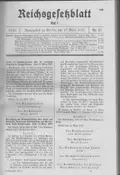
Reichsgesetzblatt Teil I: Erlaß des Reichspräsidenten über die vorläufige Regelung der Flaggenhissung
-
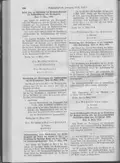
Reichsgesetzblatt Teil I: Erlaß über die Errichtung des Reichsministeriums für Volksaufklärung und Propaganda
-
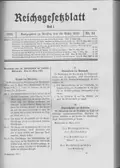
Reichsgesetzblatt Teil I: Verordnung über die Hoheitszeichen der deutschen Wehrmacht
-
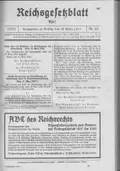
Reichsgesetzblatt Teil I: Erlaß über die Auflösung der Reichszentrale für Heimatdienst
-
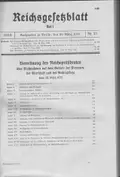
Reichsgesetzblatt Teil I: Verordnung des Reichspräsidenten über Maßnahmen auf dem Gebiete der Finanzen, der Wirtschaft und der Rechtspflege, page 1 of 22
-
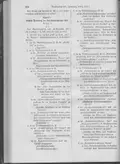
Reichsgesetzblatt Teil I: Verordnung des Reichspräsidenten über Maßnahmen auf dem Gebiete der Finanzen, der Wirtschaft und der Rechtspflege, page 2 of 22
-
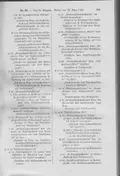
Reichsgesetzblatt Teil I: Verordnung des Reichspräsidenten über Maßnahmen auf dem Gebiete der Finanzen, der Wirtschaft und der Rechtspflege, page 3 of 22
-
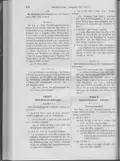
Reichsgesetzblatt Teil I: Verordnung des Reichspräsidenten über Maßnahmen auf dem Gebiete der Finanzen, der Wirtschaft und der Rechtspflege, page 4 of 22
-
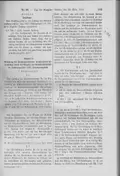
Reichsgesetzblatt Teil I: Verordnung des Reichspräsidenten über Maßnahmen auf dem Gebiete der Finanzen, der Wirtschaft und der Rechtspflege, page 5 of 22
-
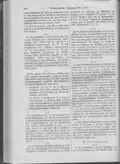
Reichsgesetzblatt Teil I: Verordnung des Reichspräsidenten über Maßnahmen auf dem Gebiete der Finanzen, der Wirtschaft und der Rechtspflege, page 6 of 22
-
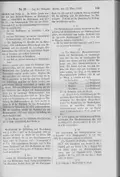
Reichsgesetzblatt Teil I: Verordnung des Reichspräsidenten über Maßnahmen auf dem Gebiete der Finanzen, der Wirtschaft und der Rechtspflege, page 7 of 22
-
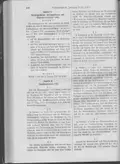
Reichsgesetzblatt Teil I: Verordnung des Reichspräsidenten über Maßnahmen auf dem Gebiete der Finanzen, der Wirtschaft und der Rechtspflege, page 8 of 22
-
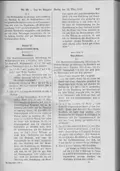
Reichsgesetzblatt Teil I: Verordnung des Reichspräsidenten über Maßnahmen auf dem Gebiete der Finanzen, der Wirtschaft und der Rechtspflege, page 9 of 22
-
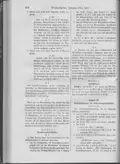
Reichsgesetzblatt Teil I: Verordnung des Reichspräsidenten über Maßnahmen auf dem Gebiete der Finanzen, der Wirtschaft und der Rechtspflege, page 10 of 22
-
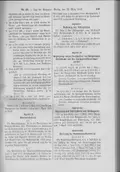
Reichsgesetzblatt Teil I: Verordnung des Reichspräsidenten über Maßnahmen auf dem Gebiete der Finanzen, der Wirtschaft und der Rechtspflege, page 11 of 22
-
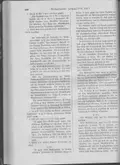
Reichsgesetzblatt Teil I: Verordnung des Reichspräsidenten über Maßnahmen auf dem Gebiete der Finanzen, der Wirtschaft und der Rechtspflege, page 12 of 22
-
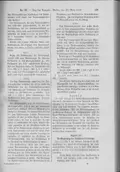
Reichsgesetzblatt Teil I: Verordnung des Reichspräsidenten über Maßnahmen auf dem Gebiete der Finanzen, der Wirtschaft und der Rechtspflege, page 13 of 22
-
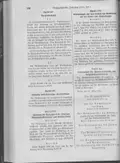
Reichsgesetzblatt Teil I: Verordnung des Reichspräsidenten über Maßnahmen auf dem Gebiete der Finanzen, der Wirtschaft und der Rechtspflege, page 14 of 22
-
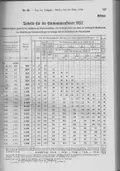
Reichsgesetzblatt Teil I: Verordnung des Reichspräsidenten über Maßnahmen auf dem Gebiete der Finanzen, der Wirtschaft und der Rechtspflege, page 15 of 22
-
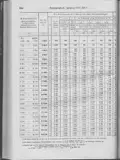
Reichsgesetzblatt Teil I: Verordnung des Reichspräsidenten über Maßnahmen auf dem Gebiete der Finanzen, der Wirtschaft und der Rechtspflege, page 16 of 22
-
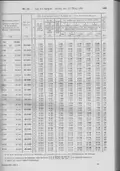
Reichsgesetzblatt Teil I: Verordnung des Reichspräsidenten über Maßnahmen auf dem Gebiete der Finanzen, der Wirtschaft und der Rechtspflege, page 17 of 22
-
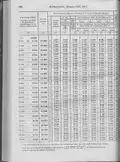
Reichsgesetzblatt Teil I: Verordnung des Reichspräsidenten über Maßnahmen auf dem Gebiete der Finanzen, der Wirtschaft und der Rechtspflege, page 18 of 22
-
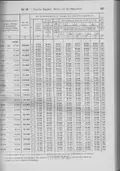
Reichsgesetzblatt Teil I: Verordnung des Reichspräsidenten über Maßnahmen auf dem Gebiete der Finanzen, der Wirtschaft und der Rechtspflege, page 19 of 22
-
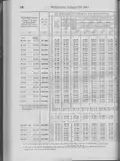
Reichsgesetzblatt Teil I: Verordnung des Reichspräsidenten über Maßnahmen auf dem Gebiete der Finanzen, der Wirtschaft und der Rechtspflege, page 20 of 22
-
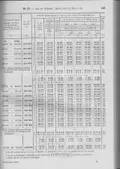
Reichsgesetzblatt Teil I: Verordnung des Reichspräsidenten über Maßnahmen auf dem Gebiete der Finanzen, der Wirtschaft und der Rechtspflege, page 21 of 22
-
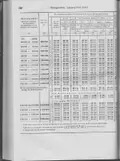
Reichsgesetzblatt Teil I: Verordnung des Reichspräsidenten über Maßnahmen auf dem Gebiete der Finanzen, der Wirtschaft und der Rechtspflege, page 22 of 22
-
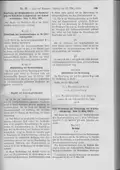
Reichsgesetzblatt Teil I: Verordnung des Reichspräsidenten zur Beschleunigung des Verfahrens in Hochverrats- und Landesverratssachen
-
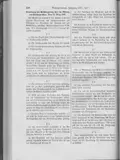
Reichsgesetzblatt Teil I: Verordnung der Reichsregierung über die Bildung von Sondergerichten, page 1 of 3
-
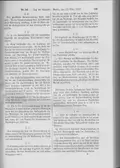
Reichsgesetzblatt Teil I: Verordnung der Reichsregierung über die Bildung von Sondergerichten, page 2 of 3
-
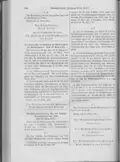
Reichsgesetzblatt Teil I: Verordnung der Reichsregierung über die Bildung von Sondergerichten, page 3 of 3
-
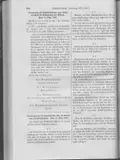
Reichsgesetzblatt Teil I: Verordnung des Reichspräsidenten über die Gewährung von Straffreiheit, page 1 of 2
-
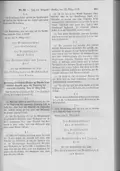
Reichsgesetzblatt Teil I: Verordnung des Reichspräsidenten über die Gewährung von Straffreiheit, page 2 of 2
-
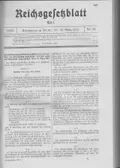
Reichsgesetzblatt Teil I: Zweite Verordnung des Reichspräsidenten zur Förderung der Verwendung inländischer tierischer Fette und inländischer Futtermittel, page 1 of 3
-
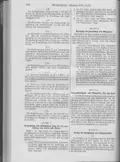
Reichsgesetzblatt Teil I: Zweite Verordnung des Reichspräsidenten zur Förderung der Verwendung inländischer tierischer Fette und inländischer Futtermittel, page 2 of 3
-
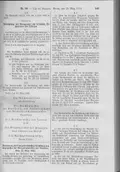
Reichsgesetzblatt Teil I: Zweite Verordnung des Reichspräsidenten zur Förderung der Verwendung inländischer tierischer Fette und inländischer Futtermittel, page 3 of 3
-
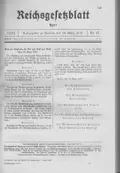
Reichsgesetzblatt Teil I: Gesetz zur Behebung der Not von Volk und Reich
-
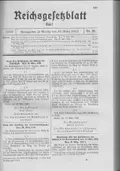
Reichsgesetzblatt Teil I: Gesetz über Verhängung und Vollzug der Todesstrafe
-
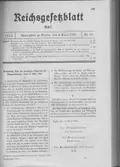
Reichsgesetzblatt Teil I: Verordnung über die vorläufige Regelung der Flaggenführung
-
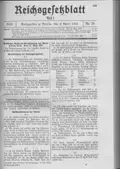
Reichsgesetzblatt Teil I: Vorläufiges Gesetz zur Gleichschaltung der Länder mit dem Reich, page 1 of 2
-
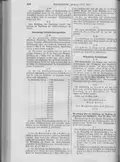
Reichsgesetzblatt Teil I: Vorläufiges Gesetz zur Gleichschaltung der Länder mit dem Reich, page 2 of 2
-
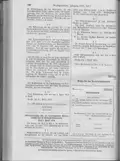
Reichsgesetzblatt Teil I: Bekanntmachung über die vorübergehende Wiedereinführung des Ausreisesichtvermerks
-
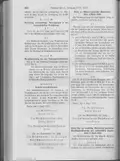
Reichsgesetzblatt Teil I: Gesetz zur Abwehr politischer Gewalttaten
-
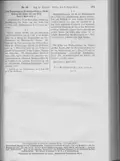
Reichsgesetzblatt Teil I: Erste Verordnung zum Vorläufigen Gesetz zur Gleichschaltung der Länder mit dem Reich
-
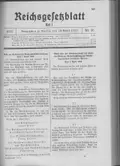
Reichsgesetzblatt Teil I: Gesetz über das Kündigungsrecht der durch das Gesetz zur Wiederherstellung des Berufsbeamtentums betroffenen Personen, page 1 of 2
-
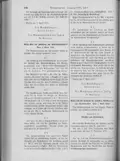
Reichsgesetzblatt Teil I: Gesetz über das Kündigungsrecht der durch das Gesetz zur Wiederherstellung des Berufsbeamtentums betroffenen Personen, page 2 of 2
-
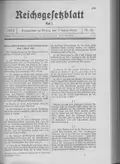
Reichsgesetzblatt Teil I: Gesetz zur Wiederherstellung des Berufsbeamtentums, page 1 of 3
-
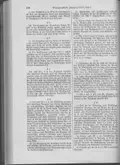
Reichsgesetzblatt Teil I: Gesetz zur Wiederherstellung des Berufsbeamtentums, page 2 of 3
-
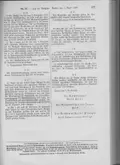
Reichsgesetzblatt Teil I: Gesetz zur Wiederherstellung des Berufsbeamtentums, page 3 of 3
-
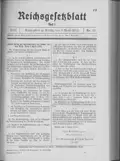
Reichsgesetzblatt Teil I: Zweites Gesetz zur Gleichschaltung der Länder mit dem Reich
-
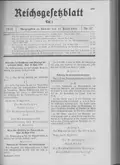
Reichsgesetzblatt Teil I: Gesetz über die Einführung eines Feiertags der nationalen Arbeit
-
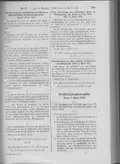
Reichsgesetzblatt Teil I: Erste Verordnung zur Durchführung des Gesetzes zur Wiederherstellung des Berufsbeamtentums
-
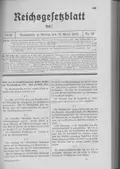
Reichsgesetzblatt Teil I: Gesetz über die Durchführung einer Volks-, Berufs- und Betriebszählung 1933, page 1 of 2
-
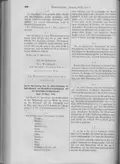
Reichsgesetzblatt Teil I: Gesetz über die Durchführung einer Volks-, Berufs- und Betriebszählung 1933, page 2 of 2
-
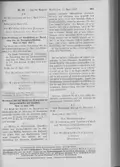
Reichsgesetzblatt Teil I: Verordnung über den Verkehr mit Erzeugnissen der Margarinefabriken und Ölmühlen
-
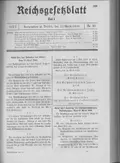
Reichsgesetzblatt Teil I: Gesetz über das Schlachten von Tieren
-
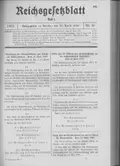
Reichsgesetzblatt Teil I: Gesetz über die Bildung von Studentenschaften an den wissenschaftlichen Hochschulen
-
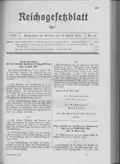
Reichsgesetzblatt Teil I: Gesetz, betreffend die Zulassung zur Patentanwaltschaft und zur Rechtsanwaltschaft, page 1 of 2
-
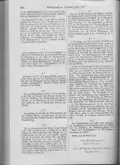
Reichsgesetzblatt Teil I: Gesetz, betreffend die Zulassung zur Patentanwaltschaft und zur Rechtsanwaltschaft, page 2 of 2
-
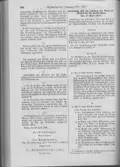
Reichsgesetzblatt Teil I: Verordnung über die Zulassung von Ärzten zur Tätigkeit bei den Krankenkassen, page 1 of 2
-
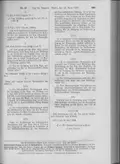
Reichsgesetzblatt Teil I: Verordnung über die Zulassung von Ärzten zur Tätigkeit bei den Krankenkassen, page 2 of 2
-
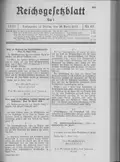
Reichsgesetzblatt Teil I: Gesetz gegen die Überfüllung deutscher Schulen und Hochschulen
-
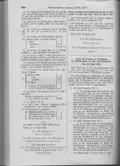
Reichsgesetzblatt Teil I: Gesetz, betreffend die Dienststrafgewalt über die Mitglieder der SA. und SS.
-
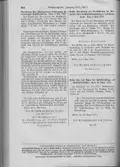
Reichsgesetzblatt Teil I: Erlaß über das Setzen der Hakenkreuzflagge auf Kauffahrteischiffen
-
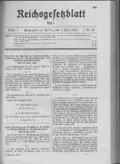
Reichsgesetzblatt Teil I: Zweite Verordnung zur Durchführung des Gesetzes zur Wiederherstellung des Berufsbeamtentums, page 1 of 3
-
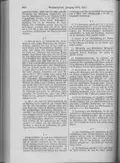
Reichsgesetzblatt Teil I: Zweite Verordnung zur Durchführung des Gesetzes zur Wiederherstellung des Berufsbeamtentums, page 2 of 3
-
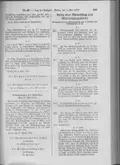
Reichsgesetzblatt Teil I: Zweite Verordnung zur Durchführung des Gesetzes zur Wiederherstellung des Berufsbeamtentums, page 3 of 3


_%E2%80%93_National_Portrait_Gallery,_London.jpg)


.jpg)


_-_btv1b90345500.jpg)
_Hermann_Kasten.jpg)


_-_btv1b532660696.jpg)


_et_M._Von_Papen_faisant_leur_discours_%C3%A0_une_r%C3%A9union_%C3%A9lectorale_-_btv1b9034941d.jpg)


_Zorgiebel,_pr%C3%A9fet_(de)_police_de_Berlin_(pr%C3%A8s_de_la_station_de_m%C3%A9tro_Vavin)_-_btv1b53197489j.jpg)
.jpg)


_Akademie_der_K%C3%BCnste.jpg)


_Sportpalast.JPG)


,_Reichstag_--_2021_--_8761.jpg)


_(Gen%C3%A8ve,_S.D.N.)_-_btv1b90269069.jpg)


_NAC,_Poland_PD.jpg)


.jpg)
.jpg)


_Carl_von_Ossietzky.JPG)


_-_btv1b53267971s.jpg)


msu-2023-0I9A9591-.jpg)


.jpg)


_-_btv1b532688671.jpg)
.jpg)
_No_copyright.jpg)


_Denkzeichen_Modezentrum_Hausvogteiplatz.jpg)


_NAC_PD.jpg)
.jpg)

_Bauhaus_Berlin.jpg)


_-_btv1b532700824.jpg)
.png)


_-_btv1b532703309.jpg)

_-_btv1b53270157h.jpg)

.jpg)


_-_LABW_-_Staatsarchiv_Ludwigsburg_E_18_III_B%C3%BC_346_-1.jpg)


_NAC_PD.jpg)

_%2B_Lustgarten,_2024_(01).jpg)

_Leo_Martin_Arons.jpg)


_Mme_Neppach_-_btv1b531806113.jpg)
_Nelly_Neppach.jpg)
_Berlin.jpg)
_Robert_Neppach.jpg)


_Joseph_Schmidt.JPG)


