Day 4 of 100
Göring bans Communist demonstrations as Hitler is reminded of his oath in the Reichsrat
Göring banned all Communist demonstrations in Prussia, and the cabinet discussed a sweeping emergency decree against the press and public meetings. In the Reichsrat, the chamber of the states, a Prussian official answered Hitler’s first address by reminding him of his oath to the constitution. Berliners paid sharply more for potatoes, and Ufa’s U-boat film Morgenrot opened at the Ufa-Palast am Zoo before an audience full of officers.
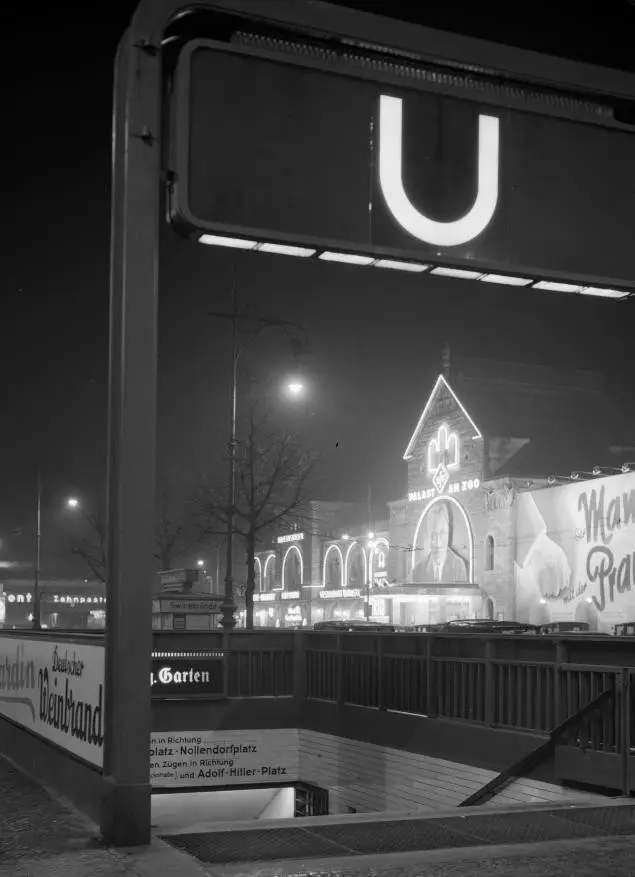

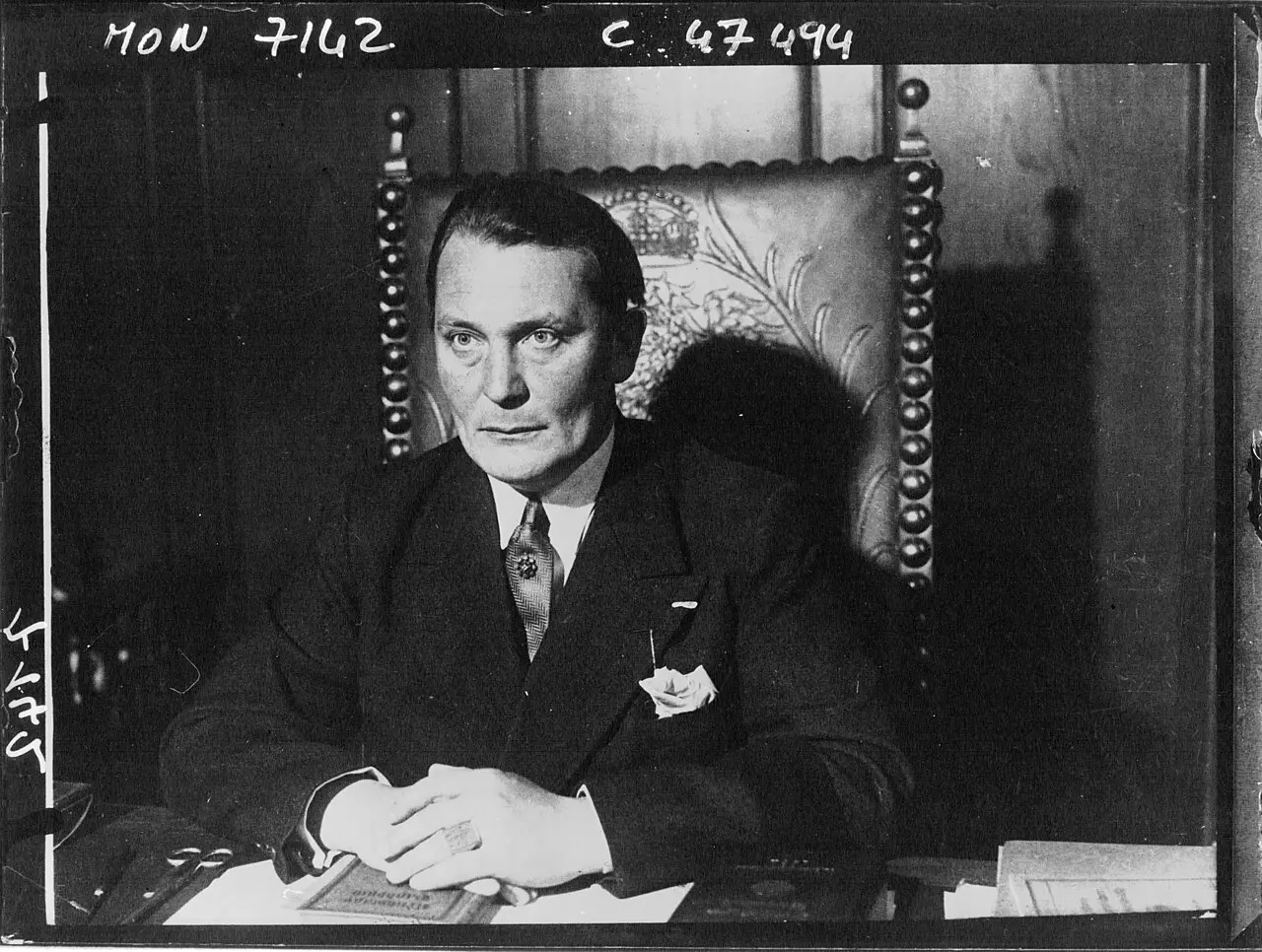
Two days into the new government, the instruments of repression were taking shape. Göring, in charge of the Prussian police as Reich Commissioner for the Prussian Ministry of the Interior, banned Communist demonstrations, while the cabinet debated a 41-section draft decree that would allow newspapers and meetings to be banned. Hitler hesitated over the timing: he asked whether it was wise to remove the Communist danger from the election campaign altogether, and proposed holding back the provisions against strikes in vital industries. The draft was sent back for redrafting and approved the next day in a narrower form.
Laws and decrees
Verordnung über den Reichskommissar für die Luftfahrt
Decree on the Reich Commissioner for Aviation
Created a Reich Commissioner for Aviation, answerable to the Chancellor and ranking as a supreme Reich authority, and transferred to him the aviation tasks of the Transport Ministry and the air-raid protection tasks of the Interior Ministry. Göring had been appointed to the post on 30 January; the decree took effect retroactively from that date.5,6
Verordnung des Reichspräsidenten über Änderung des Reichswahlgesetzes
Decree amending the Reich Electoral Law
Required parties not represented in the last Reichstag to collect, for one district list, as many voters’ signatures as the votes needed to win a seat (60,000), and allowed German citizens living abroad to vote if they were in Germany on polling day. A semi-official statement said the aim was to stop small splinter parties. Published in the Reichsanzeiger on 4 February.7,6
Politics and power
Government, terror and persecution
-
Terror Prussia
Communist demonstrations banned in Prussia
Göring, acting as Reich Commissioner for the Prussian Ministry of the Interior, banned all demonstrations by the KPD in Prussia, the largest German state, which included Berlin.1
-
The states Berlin
Hitler addresses the Reichsrat; Brecht replies
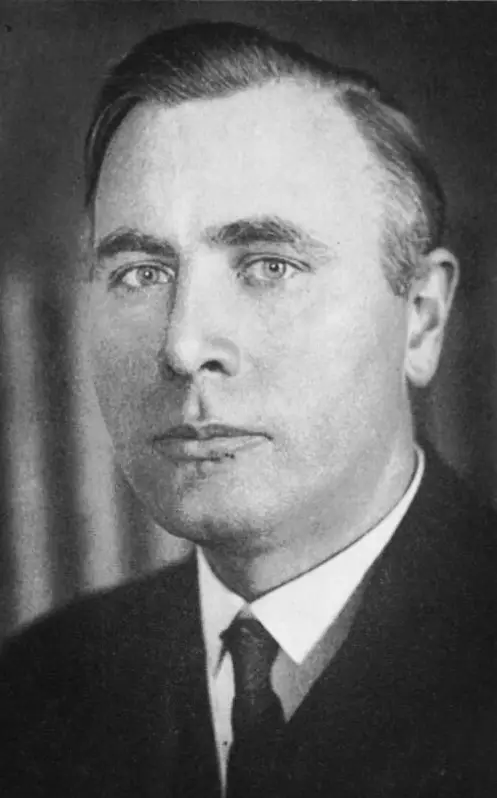
Hitler spoke to the plenary session of the Reichsrat, the chamber representing the German states. Replying on behalf of the whole Reichsrat, the Prussian official Arnold Brecht said the chamber’s work was disrupted by the Reich’s intervention in Prussia, asked that the situation be resolved constitutionally, and reminded the Chancellor of the duty, confirmed by his oath, to uphold the constitution. Brecht also asked that the government’s appeal of 1 February be referred to the Reichsrat committees. The Völkischer Beobachter attacked him the next morning as a representative of the deposed Prussian government.2,3
-
Government 18:00, Berlin, Reich Chancellery
Cabinet weighs the emergency decree and refuses state money for the campaign
At 18:00 Frick presented the draft “Decree for the Protection of the German People”, which provided for banning meetings and newspapers, dissolving associations and prohibiting political collections, with a second part threatening prison for calls to strike in vital industries. Hitler asked for the strike provisions to be held back. Frick’s request for one million marks of government money for election propaganda was rejected after the finance minister recalled that the previous Prussian government had been accused of the same practice. The editors note that Hitler obtained campaign funds a few weeks later from a three-million-mark donation by heavy industry. The draft went back to the interior and justice ministries for redrafting and was approved, without the strike provisions, on 3 February.3,11
-
Opposition
Centre and Bavarian People’s Party protest to Hindenburg
Prelate Kaas of the Centre and Fritz Schäffer of the Bavarian People’s Party protested to the Reich President that the stated reason for dissolving the Reichstag was false: the Centre’s talks with the government had been broken off without cause, and the Bavarian People’s Party had not been consulted at all. Hindenburg asked the Chancellery to counter their account.4
Everyday life
What else was happening in Germany
-
Film Berlin, Ufa-Palast am Zoo
Morgenrot opens at the Ufa-Palast am Zoo
Ufa’s U-boat film Morgenrot had its Berlin premiere at the Ufa-Palast am Zoo, with many officers of the navy and army in the audience. The Vorwärts reviewer Helmut Klotz praised its technical accuracy, found its romance sugary, and thought Adele Sandrock’s role as a mother who speaks of the other side of war took the edge off any nationalist tendency; he singled out Rudolf Forster as the commander.8,9
-
Economy Berlin
Potato prices jump
Berlin housewives were angry at the price of potatoes, the Vorwärts reported: ten pounds of ordinary potatoes, cheaper in mid-January, now cost 45 pfennigs in most districts and 40 in only a few. Traders blamed the recent frost. At the German Potato Day, organised by the large growers and held shortly before in the Philharmonie, the chairman had told the meeting that potato farming could now hope for more after the change of government.10
Voices
The Reichsrat wishes that this abnormal situation be resolved in accordance with the constitution as quickly as possible.
Elsewhere in the world
-
Switzerland (League of Nations)
Disarmament Conference resumes in Geneva
The former British Foreign Secretary Arthur Henderson opened a further round of the Disarmament Conference in Geneva, with 64 states taking part.1
More pictures


Sources
- Jahreschronik 1933 Deutsches Historisches Museum, LeMO, entries for 2 February
- Akten der Reichskanzlei. Regierung Hitler 1933–1945, Bd. I, Nr. 12: Ministerialdirektor Brecht an die Schriftleitung des ‘Völkischen Beobachters’, 3. Februar 1933 Bundesarchiv / Historische Kommission bei der Bayerischen Akademie der Wissenschaften, R 43 I/1030, Bl. 252, notes 2–4
- Akten der Reichskanzlei. Regierung Hitler 1933–1945, Bd. I, Nr. 9: Ministerbesprechung vom 2. Februar 1933, 18 Uhr Bundesarchiv / Historische Kommission bei der Bayerischen Akademie der Wissenschaften, R 43 I/1459, S. 273–280, items 2–4 with notes 5–14
- Akten der Reichskanzlei. Regierung Hitler 1933–1945, Bd. I, Nr. 16: Staatssekretär Lammers an das Büro des Reichspräsidenten, 6. Februar 1933 Bundesarchiv / Historische Kommission bei der Bayerischen Akademie der Wissenschaften, note 2 (Schäffer telegram and Kaas letter of 2 February)
- Verordnung über den Reichskommissar für die Luftfahrt. Vom 2. Februar 1933 documentArchiv.de, RGBl. 1933 I S. 35
- Akten der Reichskanzlei. Regierung Hitler 1933–1945, Bd. I, Nr. 5: Ministerbesprechung vom 1. Februar 1933, 19 Uhr Bundesarchiv / Historische Kommission bei der Bayerischen Akademie der Wissenschaften, items 2–3, notes 5 and 7
- Verordnung des Reichspräsidenten über Änderung des Reichswahlgesetzes. Vom 2. Februar 1933 documentArchiv.de, RGBl. 1933 I S. 45–46; published in the Deutscher Reichsanzeiger Nr. 30, 4 February 1933
- Vorwärts, Abendausgabe Nr. 58, 3 February 1933 Deutsche Digitale Bibliothek, Zeitungsportal, p. 3, '"Morgenrot", der U-Boots-Film. Ufa-Palast am Zoo' (review by Dr. Helmut Klotz)
- Morgenrot (1933) filmportal.de (Deutsches Filminstitut & Filmmuseum), Erstaufführung 02.02.1933, Berlin, Ufa-Palast am Zoo
- Vorwärts, Morgenausgabe Nr. 55, 2 February 1933 Deutsche Digitale Bibliothek, Zeitungsportal, p. 3, 'Teure und angefrorene Kartoffeln'
- Akten der Reichskanzlei. Regierung Hitler 1933–1945, Bd. I, Nr. 11: Ministerbesprechung vom 3. Februar 1933, 18.30 Uhr Bundesarchiv / Historische Kommission bei der Bayerischen Akademie der Wissenschaften, item 2 with notes 5–7
Spotted a mistake? Send a correction.