Day 20 of 100
Kurt Weill’s Der Silbersee opens in three cities as the Centre’s Germania is banned
Hindenburg signed a decree softening the 1932 cuts to war-disability and insurance pensions, and the government published steep new duties on farm produce, fish and timber. Berlin’s police president banned Germania, the leading Centre Party daily, for three issues. In Leipzig, Magdeburg and Erfurt, Kurt Weill and Georg Kaiser’s play with music Der Silbersee had its premiere, the German ice hockey team opened the World Championship in Prague with a 6–0 win, and Prussia warned against eating undercooked duck eggs.

Laws and decrees
Verordnung des Reichspräsidenten zur Milderung von Härten in der Sozialversicherung und in der Reichsversorgung
Decree on mitigating hardships in social insurance and war pensions
Softened the June 1932 rules by which war pensions and civil servants’ pensions were set off against invalidity and salaried employees’ insurance pensions, guaranteeing at least a third of the insurance pension and capping the reduction at 50 marks a month, and raised the age limit for children’s allowances and orphans’ pensions from 15 to 16.2,3
Verordnung über Zolländerungen
Decree on Changes to Customs Duties
Raised import duties on a range of crops, fodder, vegetables, animal fats, cheese and fish, as part of Hugenberg’s policy of shielding German agriculture from foreign competition, at the cost of strained trade relations with the Netherlands and Sweden.4,3
Politics and power
Government, terror and persecution
-
Persecution Berlin
Germania, the Centre Party’s paper, banned
Berlin’s police president banned Germania, the leading newspaper of the Catholic Centre Party, for three issues from 19 February, together with its Brandenburg edition, the Märkische Volkszeitung. In Frankfurt the Social Democratic Volksstimme was banned until 23 February for reprinting a Vorwärts article on the clashes at Eisleben.1
-
Government Berlin
Some of the 1932 pension cuts reversed
Hindenburg signed the decree, approved by the cabinet two days earlier, easing hardships created by the emergency decree of June 1932 that had cut social insurance and war pensions. At least a third of an invalidity or white-collar insurance pension was now always to be paid out even when a war pension or civil-service pension was set against it, and the reduction was capped at 50 marks a month; the age limit for children’s allowances and orphans’ pensions rose from 15 to 16. The Reich undertook to refund the insurance funds the extra cost, about 15 million marks.2,3
-
Economy Berlin
Higher duties on vegetables, cheese, fish and timber
The Reichsanzeiger published two tariff ordinances. One, proposed by Hugenberg as Minister of Food and Agriculture, raised duties on buckwheat, peas, field beans, lupins, grass seed, hay and straw to shift farmers away from grain, lifted the duty on red, savoy and white cabbage to 8 marks and on lettuce to 20 marks per hundred kilograms, more than doubled the duty on table cheese, from 40 to 90 marks, and reorganised the duties on sea and freshwater fish. The other raised timber duties, which the government said were meant to keep out unnecessary imports while German timber fetched only about half its pre-war price.4,5,3
Everyday life
What else was happening in Germany
-
Theatre evening, Leipzig, Altes Theater; Magdeburg; Erfurt
Der Silbersee has its premiere in three cities at once
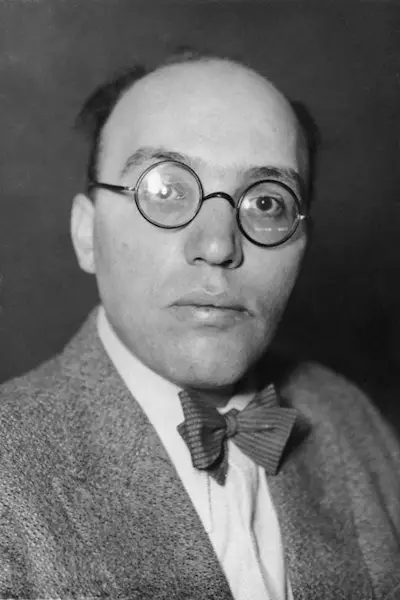
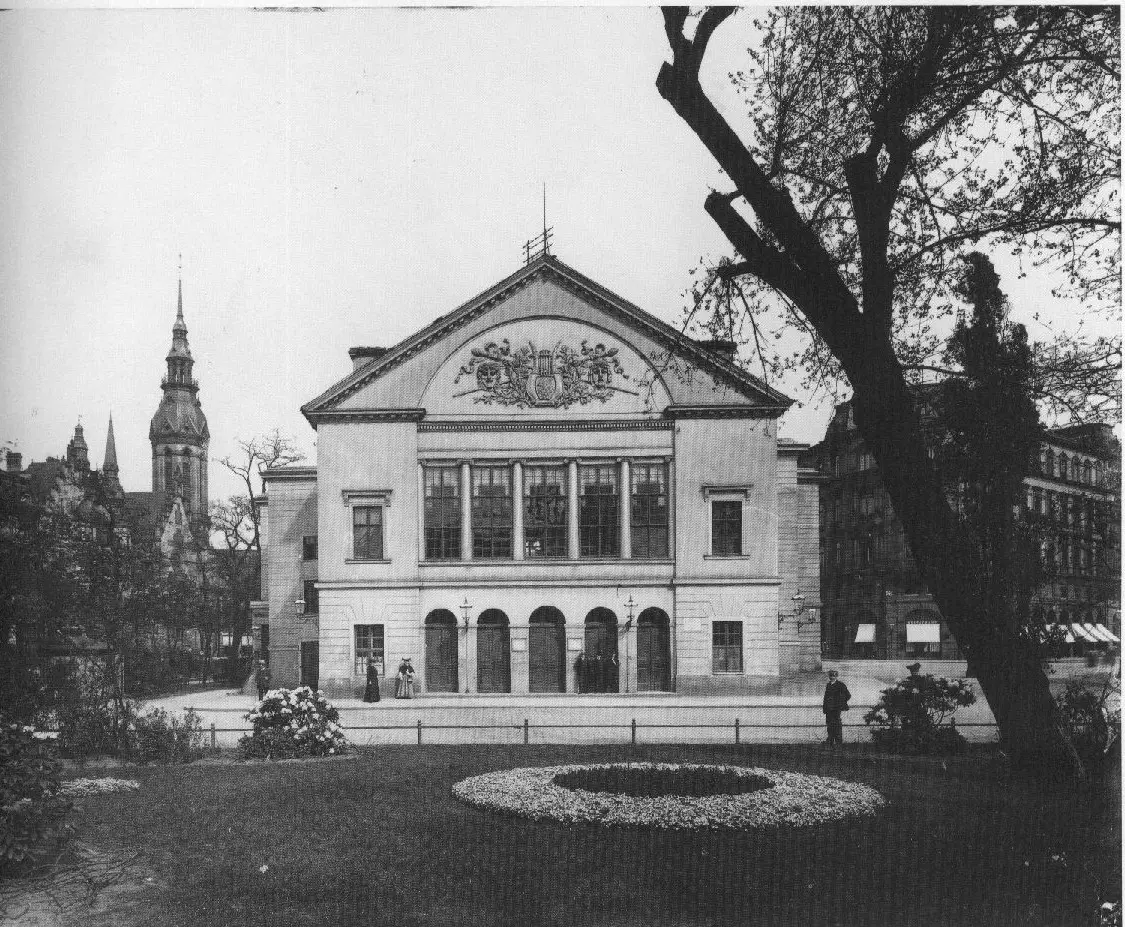
Der Silbersee, a “winter’s tale” with text by Georg Kaiser and music by Kurt Weill, about unemployed men who live by a lake in the woods, opened on the same evening in Leipzig, Magdeburg and Erfurt. The Leipzig premiere at the Altes Theater was directed by Detlef Sierck and conducted by Gustav Brecher; in Magdeburg the singer Ernst Busch played the hero, Severin. The Leipzig audience applauded warmly. Within three weeks the work was driven from all three stages.6,7
-
Sport afternoon, Prague
Germany opens the ice hockey World Championship with a 6–0 win
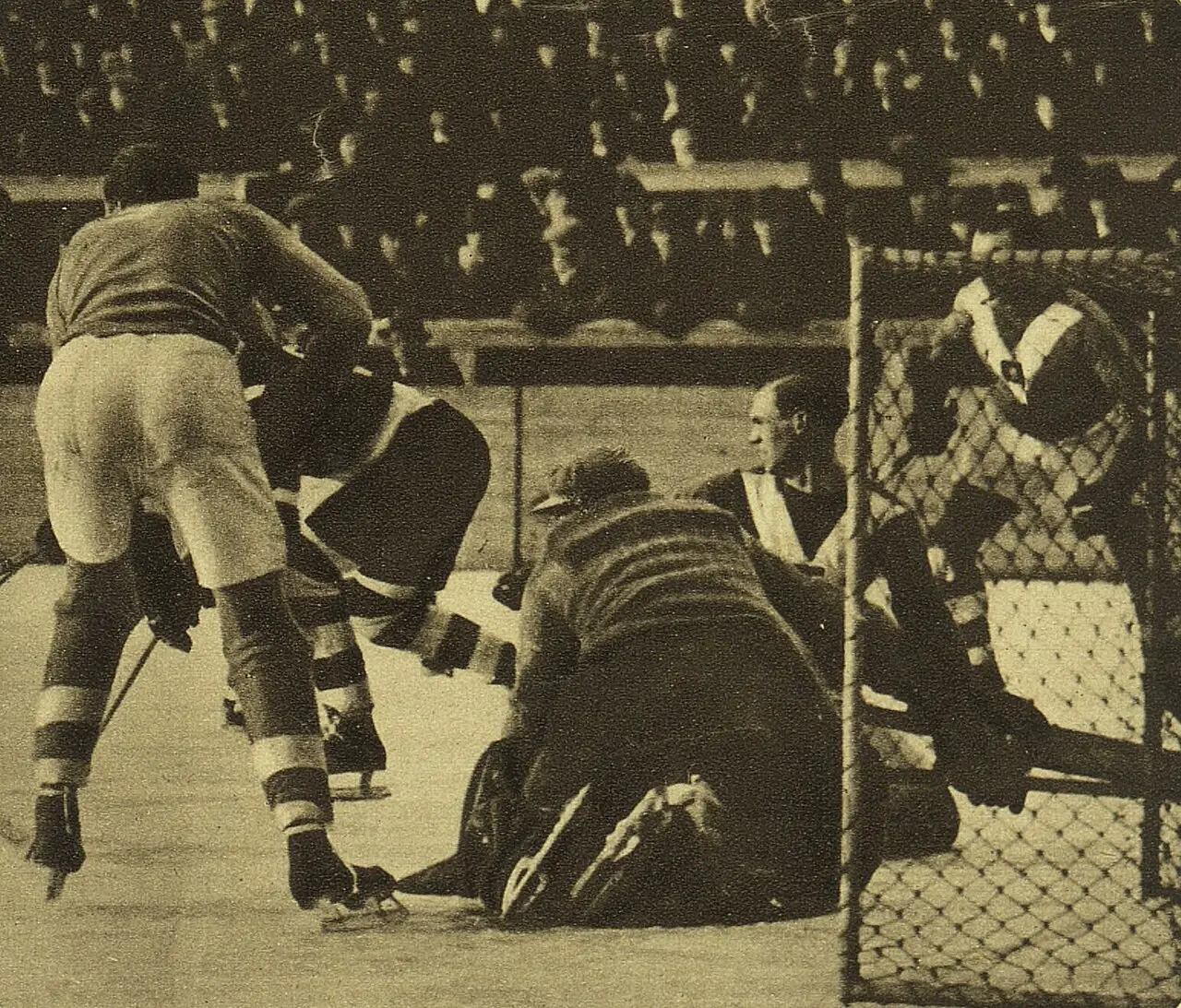
On the decorated rink on Štvanice island in Prague the World Championship began with Germany against Belgium; before about 5,000 spectators the Germans won 6–0. In the second match Austria beat Italy 3–0.8
-
Science Berlin
Cook your duck eggs
A warning published in Berlin said that cases of food poisoning in several parts of Prussia had been traced to duck eggs, on whose shells and inside which the responsible bacteria had been found. Duck eggs should be eaten only well cooked, and never raw in mayonnaise, potato salad or raw minced meat.9
-
Crime afternoon, Berlin-Weißensee
Tear gas in a Weißensee store
In the afternoon, when the Weißensee branch of Epa, the one-price chain belonging to the Karstadt group, was full of shoppers, the shop suddenly filled with tear gas. Customers and staff fled with streaming eyes and coughing fits while the windows and doors were thrown open; one saleswoman needed medical treatment.10
More pictures


Sources
- Die Germania verboten Neue Mannheimer Zeitung, via Deutsche Digitale Bibliothek Zeitungsportal, 18/19 February 1933 (Sunday edition), p. 1 (Wolff report, Berlin, 18 February)
- Gemilderte Kürzungen Kölnische Zeitung, via Deutsche Digitale Bibliothek Zeitungsportal, 18 February 1933, evening edition, p. 7
- Nr. 22 Ministerbesprechung vom 16. Februar 1933, 16.15 Uhr (P. 8 and note 24); Nr. 31 (note 4 on the tariff ordinances) Bundesarchiv / Historische Kommission bei der Bayerischen Akademie der Wissenschaften, Akten der Reichskanzlei. Regierung Hitler, Band I, Dok. Nr. 22, P. 8, P. 12 and notes 24, 37–38; Dok. Nr. 31 (arh01d031) note 4
- Die neuen Agrar- und Fischzölle Hamburger Fremdenblatt (Reichsausgabe), via Deutsche Digitale Bibliothek Zeitungsportal, 19 February 1933, p. 1 (WTB report, Berlin, 18 February)
- Neue Holzzölle Dresdner Nachrichten, via Deutsche Digitale Bibliothek Zeitungsportal, 19 February 1933, p. 1 (report dated Berlin, 18 February)
- Der Silbersee. Ein Wintermärchen (work page); 1926–1933: Rise to Fame (chronology) Kurt Weill Foundation for Music, First performance: 18 February 1933, Leipzig, Altes Theater (simultaneous premieres in Magdeburg and Erfurt); see also https://www.kwf.org/kurt-weill/recommended/1926-1933-rise-to-fame-text-only/
- Kaiser u. Weill: „Der Silbersee“. Leipziger Uraufführung (review by Heinrich Wiegand) Vorwärts, via Deutsche Digitale Bibliothek Zeitungsportal, 23 February 1933, p. 4
- Der Beginn der Spiele. Deutschland schlägt Belgien 6:0 Badische Presse (Karlsruhe), via Deutsche Digitale Bibliothek Zeitungsportal, 20 February 1933, p. 9
- Enteneier gut kochen! Hamburger Fremdenblatt (Reichsausgabe), via Deutsche Digitale Bibliothek Zeitungsportal, 19 February 1933, p. 3 (report dated Berlin, 18 February)
- Tränengas in Berlin Kölnische Zeitung, via Deutsche Digitale Bibliothek Zeitungsportal, 19 February 1933, p. 10 (report dated Berlin, 18 February)
Spotted a mistake? Send a correction.