Day 5 of 100
Hitler tells the army chiefs of “living space in the East” as the Vorwärts is banned
At a dinner in the army commander’s residence in the Bendlerstraße, Hitler spoke for two and a half hours to the generals and admirals, naming rearmament, conscription and perhaps the conquest of “living space in the East” as his aims. The Berlin police banned the Social Democratic Vorwärts for four days, and the cabinet approved its emergency decree. Two new films opened, one a Frederick the Great epic, the other a Berlin underworld comedy by Richard Oswald.
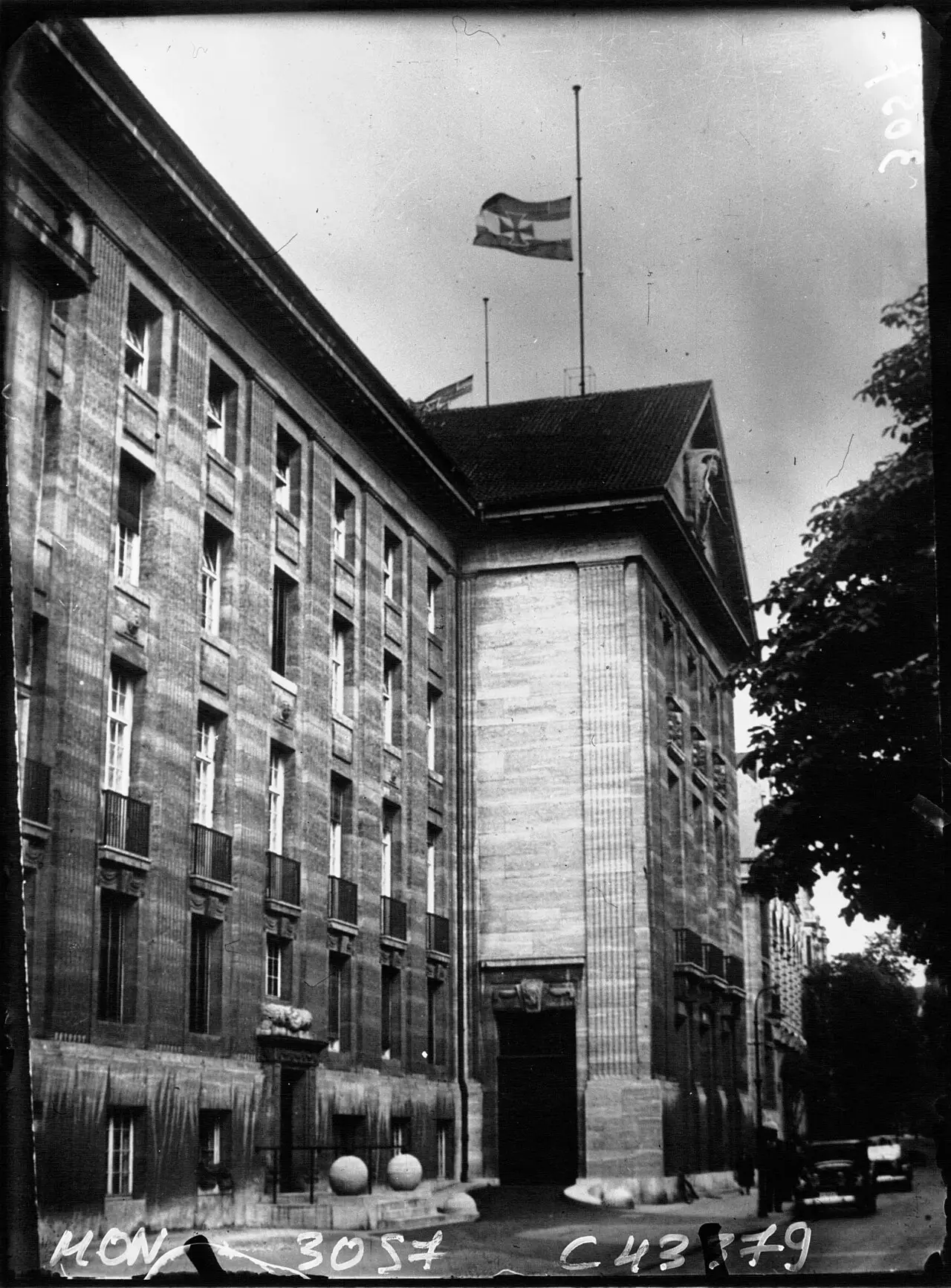

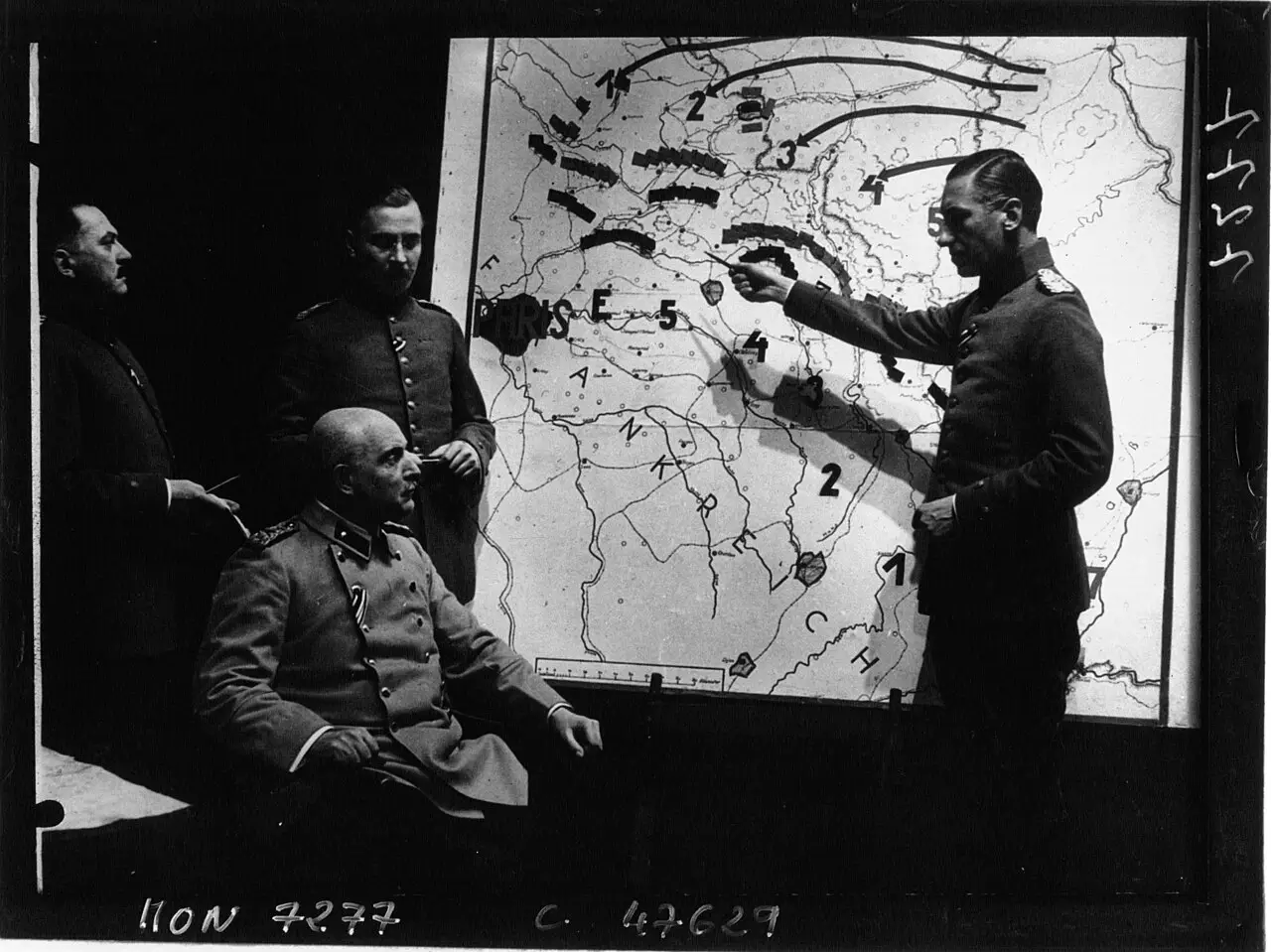
General Kurt von Hammerstein-Equord, head of the army command, had invited the new Chancellor to dinner with the commanders of the army and navy, who were in Berlin for a regular conference at the Reichswehr Ministry. After the meal Hitler spoke for some two and a half hours, then flew to Munich that night. No text of the speech exists, but three of those present or close to them left records: the notes of General Liebmann, commander in Wehrkreis V (Stuttgart), a fuller account dictated by Hammerstein’s adjutant Horst von Mellenthin the next day, and a copy obtained by the KPD’s intelligence service that reached Moscow on 14 February.
According to Liebmann’s notes Hitler named the recovery of political power as the sole aim of all policy: the “rooting out” of Marxism at home, the death penalty for treason, a strictly authoritarian state, the reintroduction of conscription and the build-up of the armed forces. Asked how that power might later be used, he suggested new export markets or, “probably better”, the conquest of new living space in the East and its ruthless Germanisation. The army, he promised, would stay out of the domestic struggle, which was a task for the Nazi organisations. Those present could hardly have known, the editors of the notes observe, by what methods these aims would be pursued.
Laws and decrees
Verordnung zur Durchführung des Reichswahlgesetzes
Implementing decree to the Reich Electoral Law
Set out how Germans living abroad who were in Germany on polling day, and crews of sea and river vessels without a fixed address, could obtain voting certificates, and how they had to prove their identity, under the amendment to the electoral law of 2 February.7
Politics and power
Government, terror and persecution
-
Military evening, Berlin, Bendlerstraße (Bendlerblock)
Hitler’s dinner speech to the commanders of army and navy
At General von Hammerstein-Equord’s residence in the Bendlerstraße, Hitler addressed the senior commanders of the army and navy after dinner for about two and a half hours. Liebmann’s notes record his aims: regaining political power, rooting out Marxism, rearmament and conscription, and possibly conquering living space in the East. He promised that the armed forces would remain outside party politics.1,2,3
-
Propaganda Berlin, Lindenstraße 3
The Vorwärts banned until 6 February
Berlin’s police president, Dr Melcher, banned the SPD’s central newspaper, including its affiliated editions, with immediate effect until 6 February inclusive, under the emergency decree of December 1932 and the high-treason sections of the criminal code. The order objected to the party’s election appeal on the front page of that morning’s issue, which called on readers to fight for the expropriation of the great estates and of heavy industry. The paper could issue only a free single sheet printing the ban.4
-
Government 18:30, Berlin, Reich Chancellery
Cabinet approves the emergency decree on press and meetings
At 18:30 the cabinet approved the redrafted “Decree for the Protection of the German People”. Göring objected to giving a senate of the Reich Court the final word on newspaper bans; Frick and Hugenberg defended it and the court remained in the text. Ministers then discussed how to remove the remaining rights of Otto Braun’s Prussian government; state secretary Meissner reminded them that Hindenburg had already refused to make himself head of the Prussian state. The cabinet also ordered the government’s appeal of 1 February to be posted on advertising pillars and distributed in schools.5
-
Opposition Berlin
Centre publishes its letters with Hitler
The Centre Party newspaper Germania published the exchange of letters between the party chairman, Prelate Kaas, and Hitler, to show that the Centre had not refused to negotiate before the Reichstag was dissolved. The day before, state secretary Lammers had warned the party that publication could seriously endanger any later contacts with the Chancellor.6
Everyday life
What else was happening in Germany
-
Film
Der Choral von Leuthen opens
Carl Froelich’s Der Choral von Leuthen, with Otto Gebühr as Frederick the Great and Olga Tschechowa among the cast, had its premiere. It was released in Austria under the title Der Führer seines Volkes (The Leader of His People).8
-
Film Berlin-Wilmersdorf, Atrium
Richard Oswald’s Ganovenehre at the Atrium
Ganovenehre (Thieves’ Honour), billed as a film from the Berlin underworld, opened at the Atrium cinema on the Kaiserallee in Wilmersdorf. Directed by Richard Oswald, it starred Fritz Kampers, Rotraut Richter and Paul Westermeier, and was advertised in that week’s Vorwärts cinema listings.9,10
-
Theatre evening, Berlin, Berliner Theater
Die Marneschlacht at the Berliner Theater
The Berliner Theater in the Charlottenstraße advertised for that evening the premiere of Die Marneschlacht (The Battle of the Marne), a play by Paul Joseph Cremers, given as a guest performance by the Mannheim National Theatre.10
-
Society Berlin
Five thousand flu cases since New Year
Berlin’s chief health office counted some 3,200 influenza cases in January and another 1,500 on 1 and 2 February alone, and the municipal hospitals advertised for assistant doctors. The Vorwärts noted that the epidemic had spread from England across Europe and that undernourished unemployed people suffered most. In Magdeburg the schools were closed until 8 February.11
Voices
How should political power be used once it has been won? Not yet possible to say. Perhaps fighting for new export opportunities, perhaps – and probably better – the conquest of new living space in the East and its ruthless Germanisation.
In Berlin today
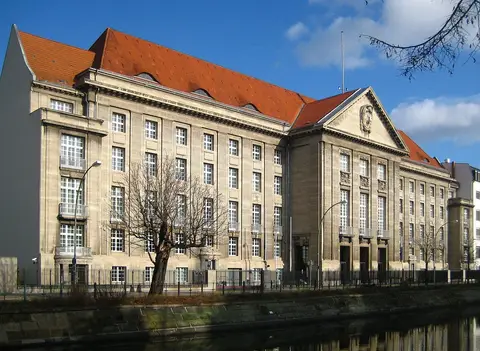

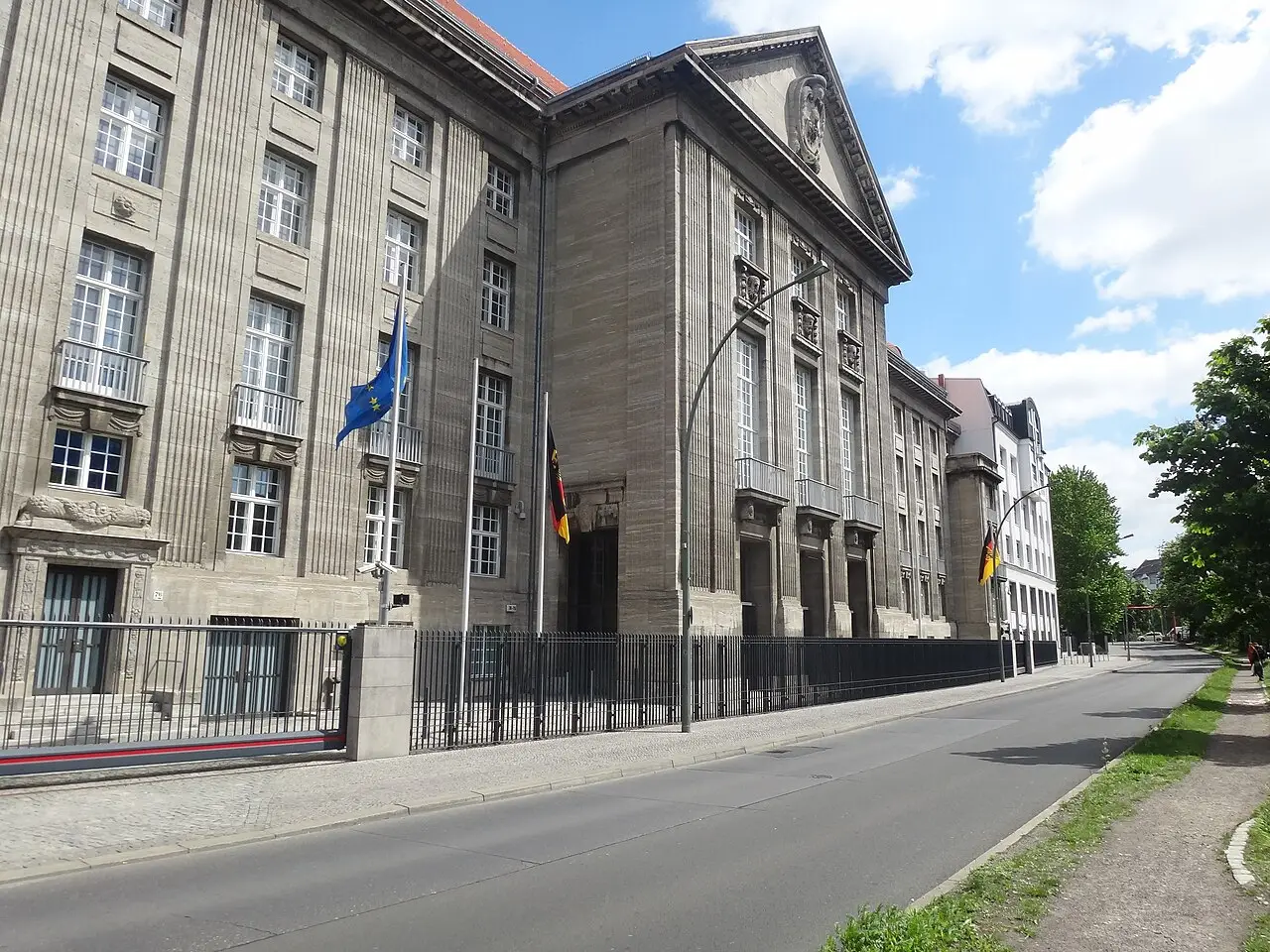
Bendlerblock
Stauffenbergstraße 13–14, 10785 Berlin
- Then
- In January 1933 the seat of the Reichswehr Ministry and the army command, where General von Hammerstein-Equord lived; on 3 February Hitler set out his aims, including “living space in the East”, to the assembled commanders here.3,2
- Today
- The German Resistance Memorial Center occupies part of the complex, best known as the centre of the 20 July 1944 attempt to overthrow the regime; since 1993 most of the Bendlerblock has been the second seat of the Federal Ministry of Defence.
More pictures


Sources
- Thilo Vogelsang, ‘Neue Dokumente zur Geschichte der Reichswehr 1930–1933’, Vierteljahrshefte für Zeitgeschichte 2 (1954), Heft 4 Institut für Zeitgeschichte München, pp. 434–435, document no. 8 (Liebmann notes, IfZ-Archiv 167/51, fol. 39) and editorial commentary
- Rede Adolf Hitlers vor den Spitzen der Reichswehr, 3. Februar 1933 100(0) Schlüsseldokumente zur deutschen Geschichte im 20. Jahrhundert (Bayerische Staatsbibliothek), introduction and the Liebmann, Mellenthin and KPD transcripts
- Historical Site: The Bendler Block Gedenkstätte Deutscher Widerstand
- Vorwärts, Morgenausgabe Nr. 59, 4 February 1933 (single free sheet) Deutsche Digitale Bibliothek, Zeitungsportal, p. 1, ban order of the Polizeipräsident, Berlin, 3 February 1933
- Akten der Reichskanzlei. Regierung Hitler 1933–1945, Bd. I, Nr. 11: Ministerbesprechung vom 3. Februar 1933, 18.30 Uhr Bundesarchiv / Historische Kommission bei der Bayerischen Akademie der Wissenschaften, R 43 I/1459, S. 327–334, items 1–3 with notes 1–11
- Akten der Reichskanzlei. Regierung Hitler 1933–1945, Bd. I, Nr. 10: Staatssekretär Lammers an den Generalsekretär der Zentrumspartei Vockel, 2. Februar 1933 Bundesarchiv / Historische Kommission bei der Bayerischen Akademie der Wissenschaften, text and notes 3–4
- Verordnung zur Durchführung des Reichswahlgesetzes. Vom 3. Februar 1933 documentArchiv.de, RGBl. 1933 I S. 46–48
- Der Choral von Leuthen (1933) filmportal.de (Deutsches Filminstitut & Filmmuseum), Uraufführung 03.02.1933; Verleihtitel (AT) Der Führer seines Volkes
- Ganovenehre. Ein Film aus der Berliner Unterwelt (1933) filmportal.de (Deutsches Filminstitut & Filmmuseum), Uraufführung 03.02.1933, Berlin, Atrium
- Vorwärts, Abendausgabe Nr. 58, 3 February 1933 Deutsche Digitale Bibliothek, Zeitungsportal, p. 4, cinema listings; p. 6, theatre advertisements
- Vorwärts, Morgenausgabe Nr. 57, 3 February 1933 Deutsche Digitale Bibliothek, Zeitungsportal, p. 5, 'Grippe über ganz Europa'
Spotted a mistake? Send a correction.