Day 79 of 100
Bavaria reports 5,400 people taken into ‘protective custody’ since 9 March
A semi-official statement from Munich put the number of people taken into ‘protective custody’ (imprisonment without trial) in Bavaria since 9 March at about 5,400, of whom some 1,630 had been released, partly after Cardinal Faulhaber asked for fathers to be freed for Easter. In Rome, Göring spoke at a broadcast celebration of Hitler’s coming birthday held in his and Papen’s honour, and in Lugano Thomas Mann received the Munich ‘protest’ that settled his decision not to return. The deaths were announced of Albrecht von Graefe, a former völkisch member of the Reichstag, and of Count Dietlof von Arnim-Boitzenburg, the last president of the Prussian House of Lords.
.jpg)
Politics and power
Government, terror and persecution
-
Terror Munich
About 5,400 held in Bavaria since 9 March
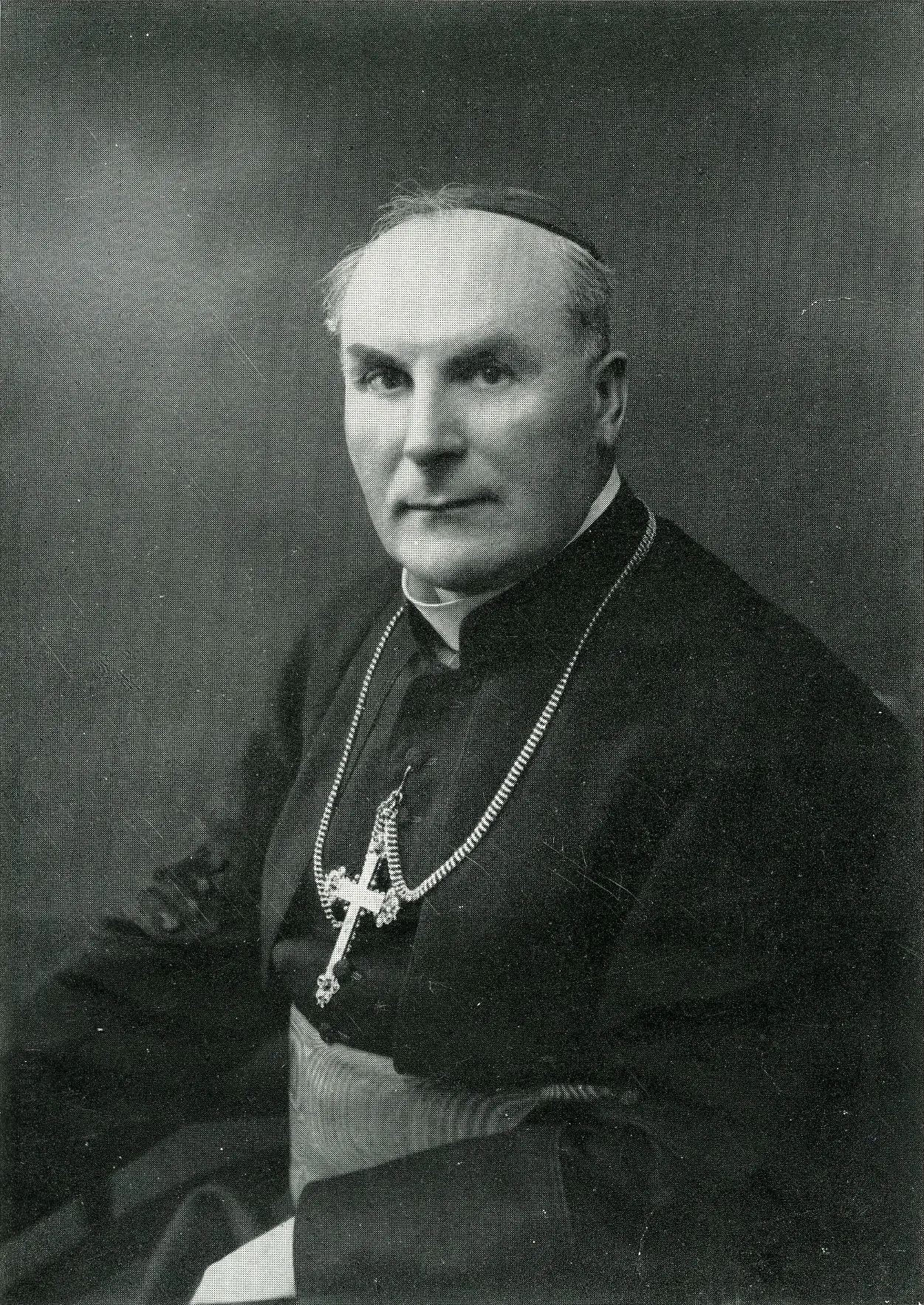
According to a semi-official statement, about 5,400 people across Bavaria had been reported to the Bavarian political police by 13 April as held in ‘protective custody’ (Schutzhaft, imprisonment without trial) at some time since 9 March. Some 1,630 had since been freed, many in the last few days. The Kölnische Zeitung thought this owed something to the intercession of the Archbishop of Munich, Cardinal Faulhaber, who had asked Reich governor von Epp and the Bavarian government to release fathers of families in time for Easter.1
-
Propaganda evening, Rome
Göring speaks to the Germans of Rome
The German community in Rome held a ‘patriotic evening’ in honour of Papen and Göring for Hitler’s 44th birthday; the hall was full long before the start, and the celebration was relayed by German radio. After Bach’s Prelude and Fugue, Göring spoke to cheers.1
-
Churches Berlin
German Christians demand new church elections
Bierschwale, the ‘Reich culture warden’ of the Faith Movement of German Christians (Deutsche Christen), called for immediate new elections in the Protestant church by equal, direct and secret ballot, so that the new parish bodies could give it the constitution it needed ‘to be a Reich church’. The church authorities announced meetings of the Old Prussian church senate and the German Evangelical Church Committee.1
-
Churches Breslau
Cardinal Bertram writes to Hindenburg
The Silesian Catholic press reported that Cardinal Bertram of Breslau, chairman of the Fulda Bishops’ Conference, had set out his serious concerns to the Reich President in writing, while stressing Catholics’ wish to work with all their strength for the ‘national reconstruction’ of the fatherland.2
-
Government Berlin
Rosenberg organises the NSDAP Foreign Policy Office
Alfred Rosenberg, head of the NSDAP’s Foreign Policy Office, set up its first departments: organisation under Artur Schumann, personnel under Arno Schickedanz and foreign trade under Werner Daitz, with Thilo von Trotha as private secretary. In Prussia, the justice commissioner Kerrl told the presidents of the higher regional courts that legal training should in future test ‘decisiveness’, ‘social feeling’ and ‘closeness to the people’, not intellect alone.1
Everyday life
What else was happening in Germany
-
Books Lugano
Thomas Mann reads the Munich ‘protest’
In Lugano, where he was staying with his wife Katia after a lecture tour and a long rest in Arosa, Thomas Mann received a copy of the Easter edition of the Münchner Neueste Nachrichten with the ‘Protest of the Richard Wagner City of Munich’ against his Wagner lecture. It ended his remaining hopes of going home.3
-
Births and deaths
Deaths of Albrecht von Graefe and Count Arnim-Boitzenburg
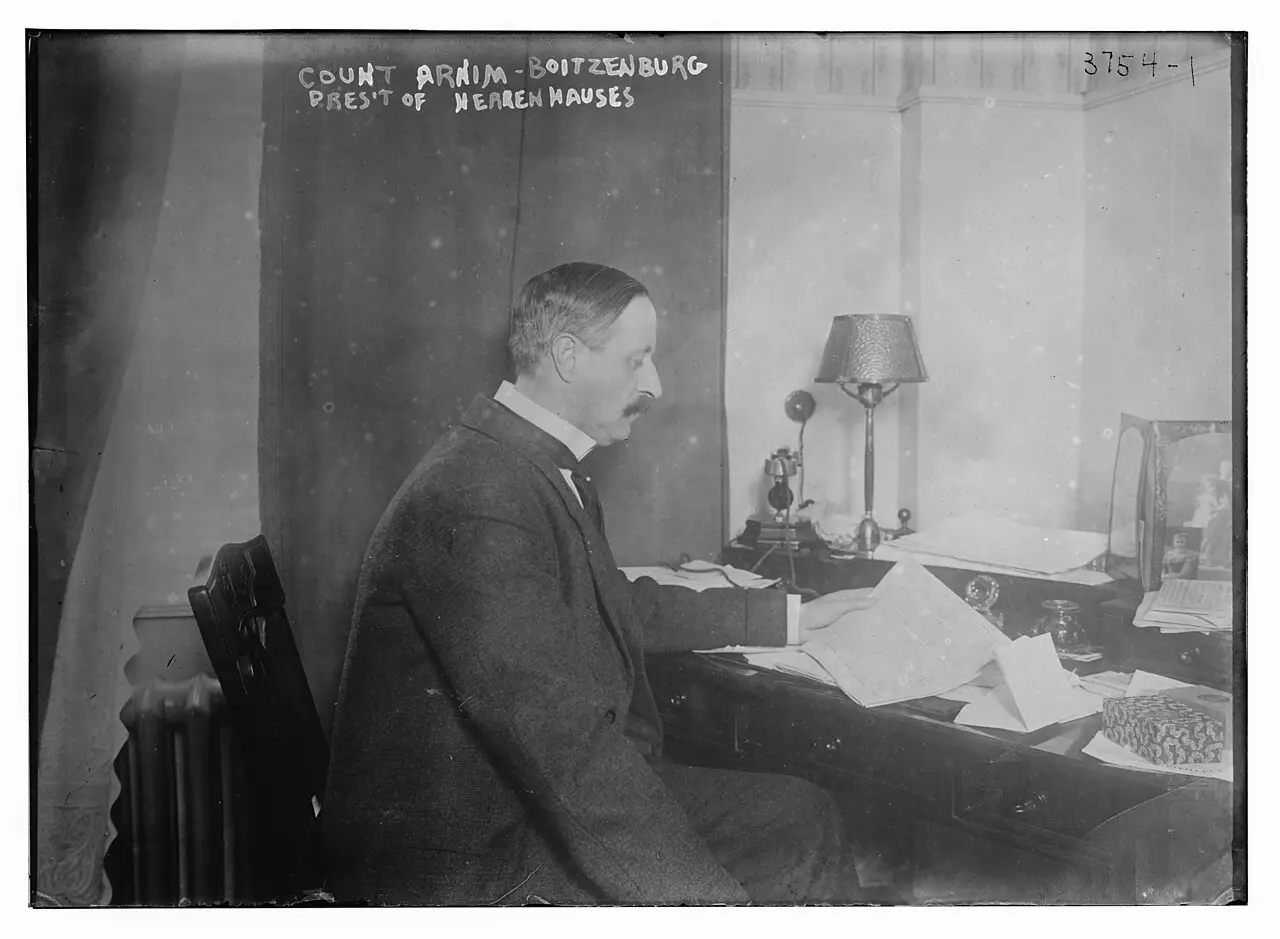
It was reported from Wismar that Albrecht von Graefe-Goldebee, a former deutschvölkisch member of the Reichstag, had died in the night to Tuesday after a long illness, aged 65. The death was also announced of Count Dietlof von Arnim-Boitzenburg, 66, president of the Prussian House of Lords from 1916 until the revolution of 1918, at his estate in the Uckermark, where he had kept bison and beavers in a nature park.1
-
Transport
Cunard leaves the North Atlantic conference
The Cunard Line carried out its threat and left the North Atlantic passenger conference, objecting above all to the low cabin-class fares that it said undercut its liners Berengaria, Aquitania and Mauretania. The move threatened to set off a fierce new fares war on the North Atlantic.2
-
Society
A Frankfurt family’s fortune for the German Red Cross
The will of the widow of Lord Seaforth, who had died in February, left about a third of her fortune of £750,000 to the German Red Cross: £267,000, over five million marks at par, for a ‘Lady Seaforth Foundation’. She was the daughter of Eduard Steinkopff, a Frankfurt man who had gone to England young and founded the Apollinaris company.2
-
Sport
Football’s professional question shelved
The German Football Association called off the extraordinary assembly summoned for 28 May in Berlin, at which the question of professional football was to have been settled; instead its executive was empowered to call one at three days’ notice.1
Elsewhere in the world
-
United States
Senate rejects a currency inflation amendment
Supporters of inflating the dollar were defeated in the US Senate on an amendment to the farm relief bill, the Hamburger Fremdenblatt’s Washington report said.2
More pictures

Sources
- Kölnische Zeitung, 19 April 1933 Deutsche Digitale Bibliothek, Zeitungsportal, Morning edition, p. 1 (Kerrl decree), p. 3 (German Christians; Rosenberg; Arnim-Boitzenburg; Graefe), 'München, 18. April' (protective custody), sports page (DFB); evening edition, p. 11 (Rome celebration)
- Hamburger Fremdenblatt, 18 April 1933 Deutsche Digitale Bibliothek, Zeitungsportal, p. 2 ('Breslau, 18. April': Cardinal Bertram; 'London, 18. April': Lady Seaforth); p. 13 (Cunard); Washington report
- Richard Wagner wurde sein Schicksal: Thomas Mann und die Gralshüter von 1933 Neue Zürcher Zeitung
Spotted a mistake? Send a correction.