Day 84 of 100
Tennis federation bars ‘non-Aryans’ from national teams, shutting out Daniel Prenn
After the Davis Cup trials in Berlin, the board of the German Tennis Federation resolved that ‘non-Aryans’ (the regime’s term for people of Jewish descent) could no longer be picked for the Davis Cup or other representative teams and that Jews should leave club boards, which shut out the Jewish player Daniel Prenn. In the plenary hall of the Prussian Landtag, the Nazi press chief Otto Dietrich told journalists the press must become a ‘sharply honed weapon’ of German politics, and Protestant leaders announced work on a new constitution for a single German Evangelical Church. Max Planck turned 75, and in Monaco Achille Varzi won the Grand Prix in record time.

The tennis resolution was adopted, its text said, to settle pending questions until a final decision by a Reich state commissioner for sport, whose appointment was expected shortly. ‘Non-Aryan’ board members had already resigned; clubs were asked to remove Jews from leading positions, membership and participation were left to ‘local conditions’, and a club of ‘pronounced Jewish character’ was declared unacceptable in the federation. For Daniel Prenn, a former member of the Berlin club Tennis Borussia, it meant exclusion from the national team; the press had been discussing his replacement for days, and two days earlier he had partnered the King of Sweden on a Berlin court.
Politics and power
Government, terror and persecution
-
Propaganda midday, Berlin, Prussian Landtag, Prinz-Albrecht-Straße
‘The press as a weapon of German politics’
At a well-attended rally on ‘The German Press’, held at midday in the plenary hall of the Prussian Landtag by the Berlin branch of the Reich Association of the German Press together with the Fighting League for German Culture, the NSDAP’s press chief Otto Dietrich spoke on ‘The German press as a weapon of German politics’. The government would respect press freedom, he said, if the press gave the state what was the state’s.1
-
Churches Berlin
A new constitution for German Protestantism
Leading church circles announced that the reform of the constitution of German Protestantism must begin at once, with the aim of a federal German Evangelical Church built on the existing state churches and their confessions. The president of the German Evangelical Church Federation, Kapler, appointed the Lutheran bishop of Hanover, Marahrens, and the Reformed pastor Hesse of Elberfeld to work with him on a new constitution.1
-
Opposition Berlin
The People’s Party debates its own end
The central committee of the German People’s Party (DVP) met for several hours in Berlin to discuss the future of the party, now much reduced; all present agreed it was their duty not to stand aside but to help in the ‘reconstruction of the Reich’.2
-
Propaganda 16:35, Cologne
Goebbels lands in Cologne
Coming from the NSDAP leaders’ conference in Munich, which had culminated the day before in a speech by Hitler, Goebbels landed at Cologne airport at 16:35 for the city’s ‘German Week’, greeted by more than 2,000 men of the SA, SS and motor corps and several thousand spectators.2
Everyday life
What else was happening in Germany
-
Sport Berlin
The Tennis Federation adopts ‘Aryan’ rules
After the Davis Cup trials on the Blau-Weiss courts, the board of the German Tennis Federation met in Berlin and resolved that ‘non-Aryans’ could not be selected for representative matches such as the Davis Cup, internationals or the Meden team championships; that ‘non-Aryan’ board members had resigned; that clubs should ensure ‘non-Aryans’ did not remain in leading posts; and that a club of ‘pronounced Jewish character’ was not acceptable as a member. The decision shut Daniel Prenn out of the national team. In the trials themselves von Cramm and Nourney beat H. Bartelt and Dr Kleinschroth in the main doubles.2,3,6
-
Science Berlin
Max Planck at 75
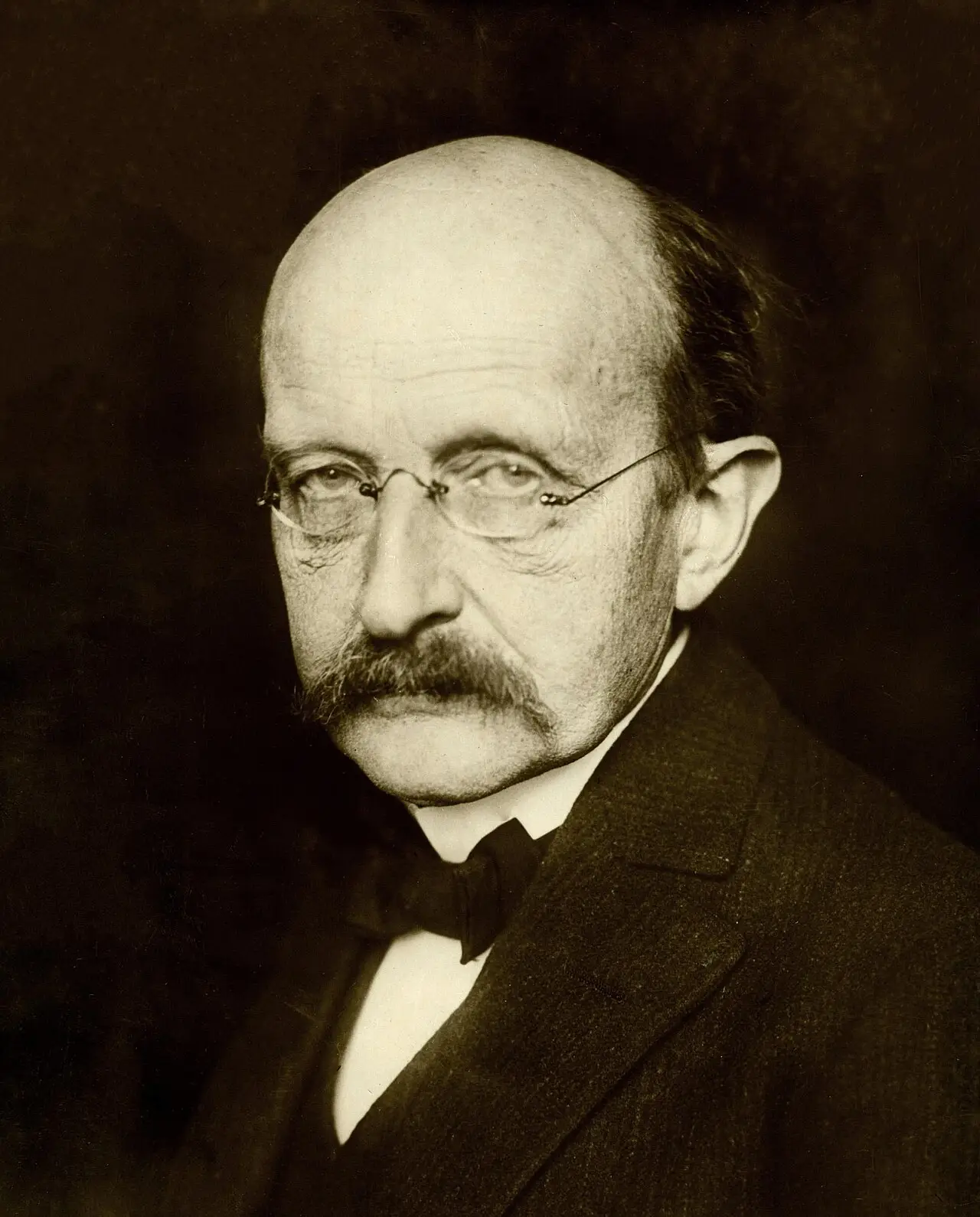
The physicist Max Planck celebrated his 75th birthday; the Hamburger Fremdenblatt marked it with his portrait on its picture page.4
-
Sport Hohen Neuendorf, near Berlin
Berlin keeps the cross-country titles
The 16th German cross-country championship was run over about 10 km of woodland at Hohen Neuendorf, north of Berlin, where local knowledge favoured the Berlin runners. Kohn won the individual title again and his club, Polizei SV Berlin, the team title, with Victoria Hamburg second.1,2
Voices
We German journalists... want to prove ourselves worthy of the honour of standing in the front line of the nation’s struggle for life, and to make the German press in future a sharply honed weapon of German politics.
Elsewhere in the world
-
Monaco
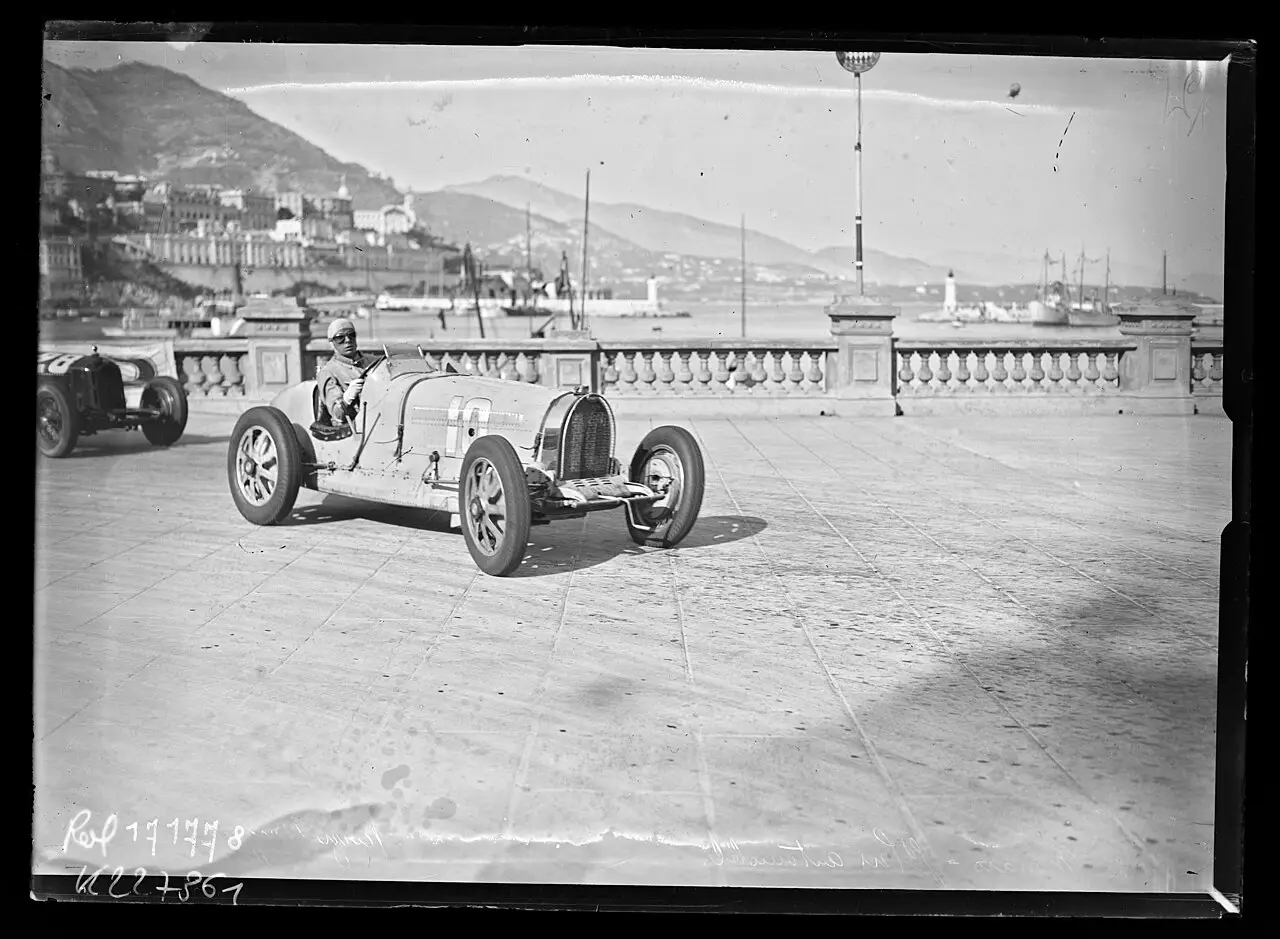
Varzi wins the Monaco Grand Prix in record time
In the fifth Monaco Grand Prix, 100 laps of a 3.18-km circuit through the town, the Italian Achille Varzi won in a Bugatti at a record average of 91.808 km/h after a long duel with Tazio Nuvolari in an Alfa Romeo, who was leading two laps from the end when his oil supply failed. 1,2
In Berlin today
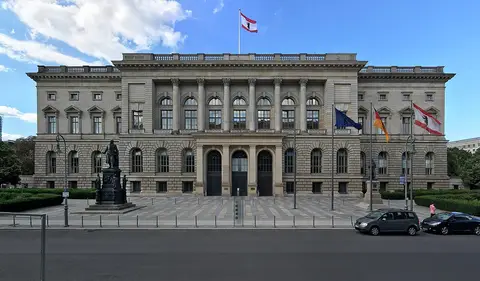

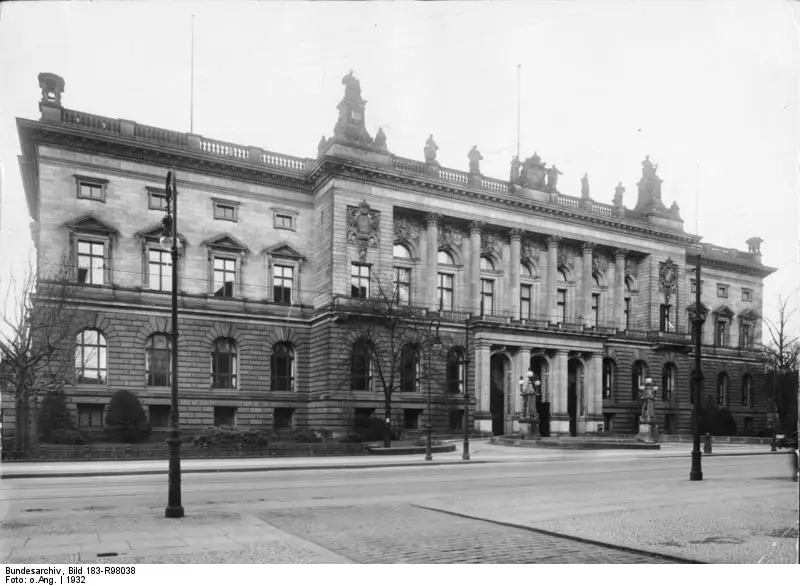
Prussian Landtag (now Abgeordnetenhaus of Berlin)
Niederkirchnerstraße 5 (formerly Prinz-Albrecht-Straße), 10117 Berlin
- Then
- In the plenary hall of the former Prussian Landtag, the Berlin press association and the Fighting League for German Culture held their rally ‘Deutsche Presse’ at midday on 23 April 1933, with Otto Dietrich as the main speaker.1,5
- Today
- The listed parliament building of 1892–1899, heavily damaged in the war and later altered, was restored and has housed Berlin’s state parliament, the Abgeordnetenhaus, since 1993.
More pictures


Sources
- Hamburger Fremdenblatt, 24 April 1933 Deutsche Digitale Bibliothek, Zeitungsportal, p. 2 ('Berlin, 23. April': rally in the Prussian Landtag; church constitution); p. 11 ('16. Deutsche Waldlauf-Meisterschaft'; 'Autopreis von Monaco')
- Kölnische Zeitung, 24 April 1933 Deutsche Digitale Bibliothek, Zeitungsportal, Morning edition, p. 1 (DVP central committee), p. 2 (Goebbels in Cologne); sports page, p. 3 (Tennis Federation resolution; Davis Cup trials; Monaco; cross-country)
- Hamburger Fremdenblatt, 20 April 1933 Deutsche Digitale Bibliothek, Zeitungsportal, Sports page: Davis Cup prospects and the need to replace Prenn
- Hamburger Fremdenblatt, 22 April 1933 Deutsche Digitale Bibliothek, Zeitungsportal, Evening edition, p. 17, picture page: 'Geheimrat Prof. Dr. Max Planck vollendet am 23. April das 75. Lebensjahr'
- Architektur (Der Gebäudekomplex des ehemaligen Preußischen Landtags) Abgeordnetenhaus Berlin
- Aus dem Spiel genommen taz, die tageszeitung, 31 October 2018, on Jan Buschbom's exhibition about Jewish members of Tennis Borussia Berlin
Spotted a mistake? Send a correction.