Day 12 of 100
Hitler’s Sportpalast speech goes out on every German radio station
Hitler opened the NSDAP’s election campaign in the Berlin Sportpalast, and every German station carried the speech, introduced by Goebbels, as a government broadcast. Tens of thousands attended the funeral of three murdered Communist workers at Friedrichsfelde, though the police banned the procession. Thomas Mann gave his last lecture in Munich, the former Prussian culture minister Carl Heinrich Becker died in Berlin, and a gasholder exploded in Neunkirchen in the Saar, killing dozens.
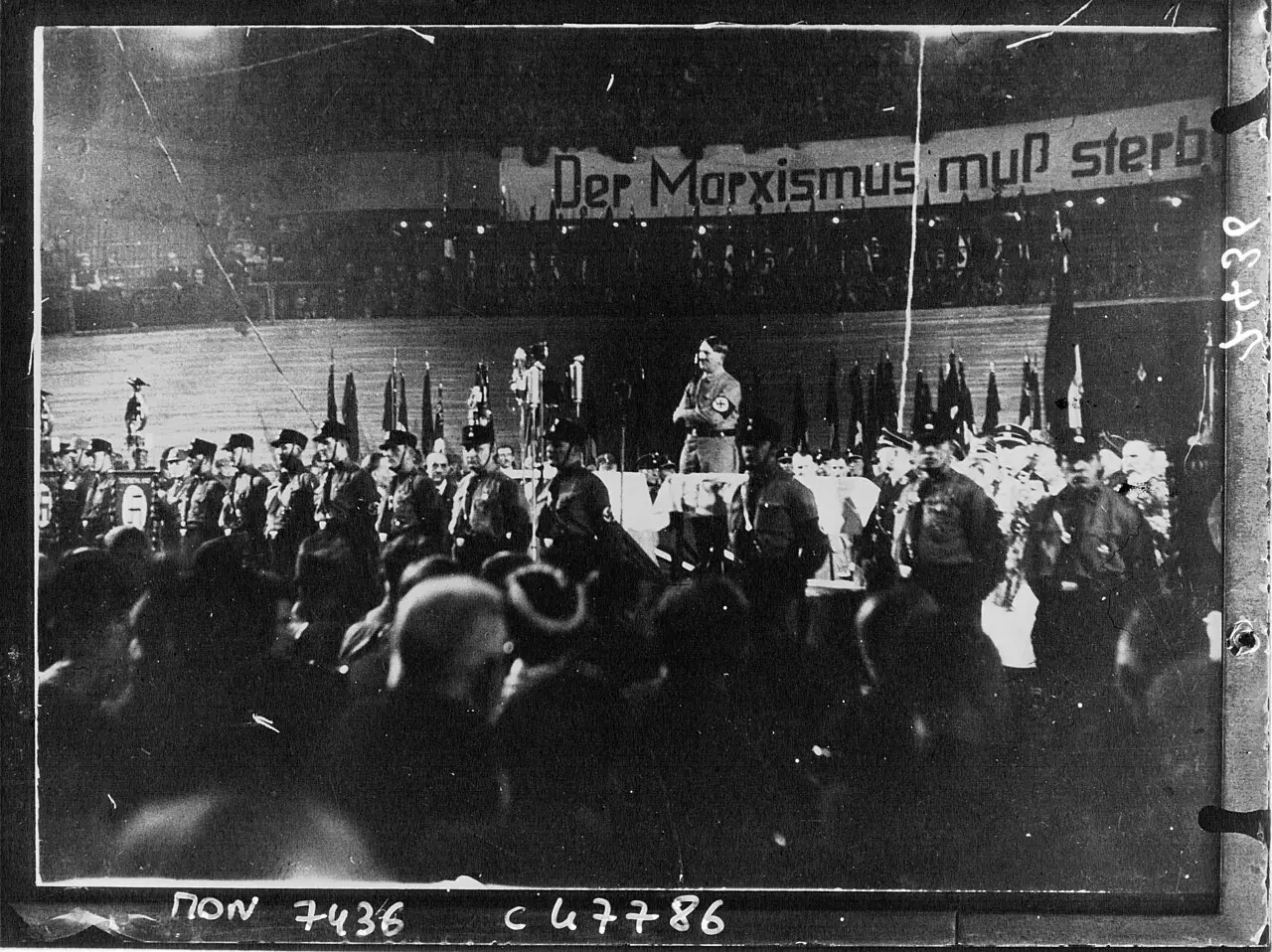

The NSDAP’s opening rally in the Sportpalast was carried by every German transmitter as a compulsory government programme. Württemberg and Bavaria objected that the radio, by the government’s own guidelines, served no party. Goebbels introduced the broadcast with a description of the hall, and a recording of 53 minutes of Hitler’s speech survives; he closed again with the plea to give the government four years. The Vorwärts noted what the speech left out: no word on unemployment, which the Reich Institution put at just over six million at the end of January, and none on the higher duties on meat, bacon and lard decided two days before.
Politics and power
Government, terror and persecution
-
Propaganda 20:30, Berlin, Sportpalast
Sportpalast speech broadcast nationwide
Hitler’s speech at the NSDAP rally in the Sportpalast was broadcast from 20:30 on all German stations, preceded by a report on the atmosphere in the hall by Joseph Goebbels; a recording of some 53 minutes survives. The Vorwärts commented that the speech offered abstractions instead of a programme, and quoted Hitler’s assurance that he had never promised immediate improvement.1,2,3,4
-
Opposition Berlin-Lichtenberg, Friedrichsfelde cemetery
Funeral of three Communist workers at Friedrichsfelde
The Communist Red Aid buried Alfred Kollatsch and Erwin Berner, shot by National Socialists on the night of 4 February, together with the urn of a young worker named Schulz, also killed by National Socialists in those days, at Friedrichsfelde cemetery. The police president banned the planned funeral processions through the city as political demonstrations, but tens of thousands came to the cemetery, among them deputations of the SPD, the Reichsbanner and socialist youth groups; some wreaths bore joint socialist and communist inscriptions.5,6
-
Election
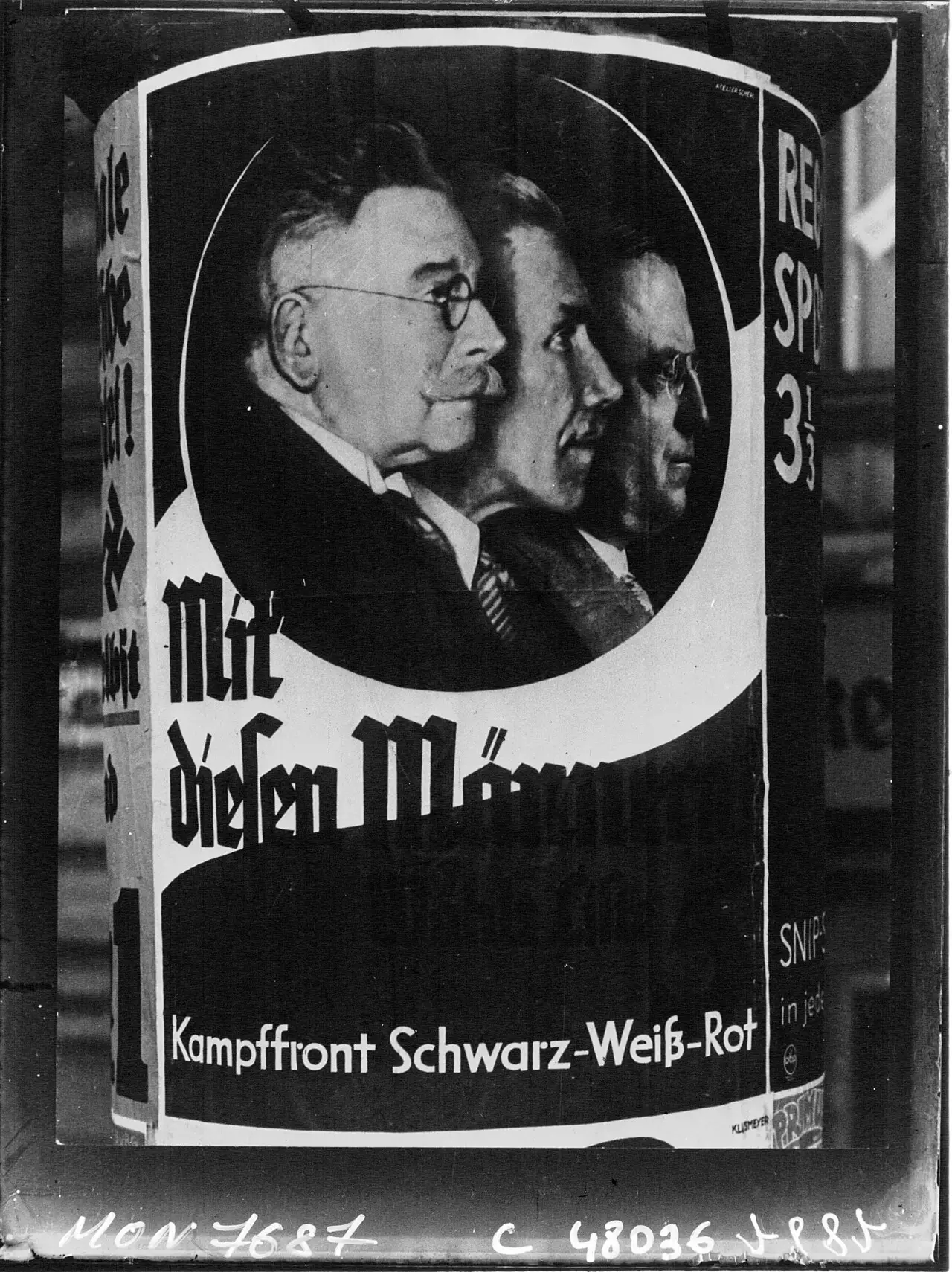
German Nationalists and Stahlhelm form the “Combat Front Black-White-Red”
Hugenberg’s German National People’s Party and the Stahlhelm veterans’ league formed an electoral alliance, the “Combat Front Black-White-Red” (Kampffront Schwarz-Weiß-Rot); the next day it resolved to contest the Reichstag election in support of the Hitler cabinet.4
Everyday life
What else was happening in Germany
-
Books Munich, University, Auditorium Maximum
Thomas Mann’s last lecture in Munich
In the Auditorium Maximum of Munich University, Thomas Mann gave his lecture on the sufferings and greatness of Richard Wagner. It was his last public appearance in Munich for many years and the start of a lecture tour to Amsterdam, Brussels and Paris; a public protest against the lecture by Munich musicians and professors in April helped to keep him in exile.7,8
-
Births and deaths Berlin
Carl Heinrich Becker dies
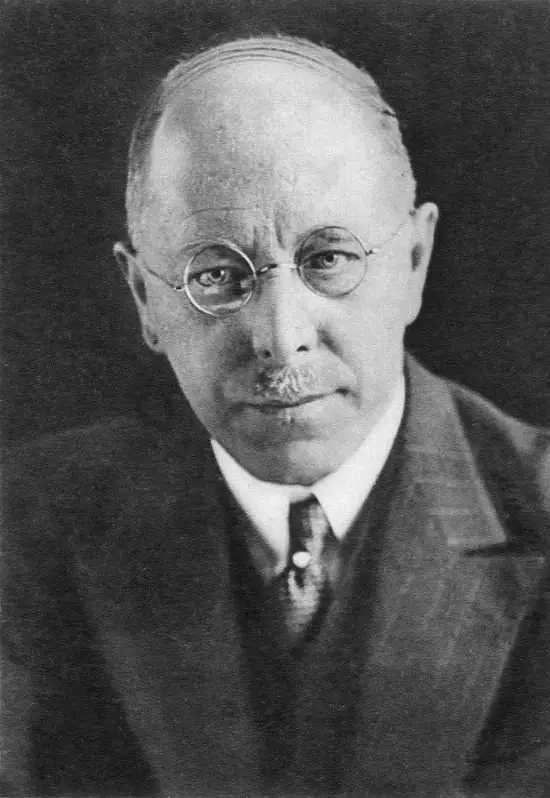
The orientalist Carl Heinrich Becker, born in Amsterdam in 1876 and formerly Prussian minister of culture, died in Berlin.9
-
Society 18:10, Neunkirchen (Saar Territory)
Gasholder explosion in Neunkirchen
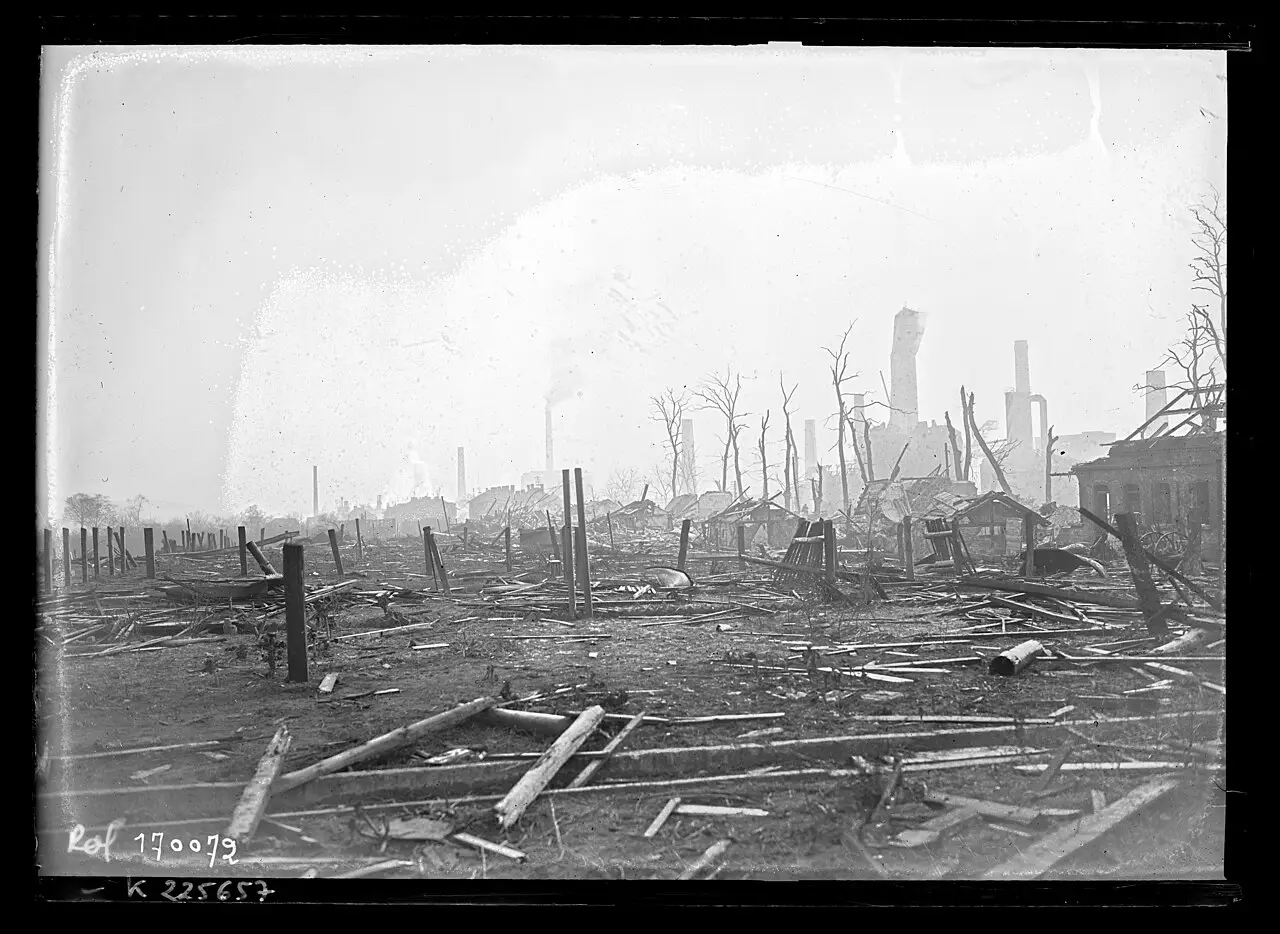
At 18:10 the largest gasholder in the Saar Territory, holding 120,000 cubic metres, exploded at the Neunkirchen ironworks. The blast flattened houses nearby, smashed windows across the town and was heard as far away as Mannheim and Heidelberg; women and children in the surrounding streets were among the dead. By 14 February the official list counted 54 dead and 14 missing, and more than 100 homes had been lost.5,10
-
Economy
Six million unemployed
The Reich Institution for Unemployment Insurance reported 6,014,000 registered unemployed at the end of January, 48,000 more than a fortnight earlier, though for the first time fewer than a year before. Of them only a minority still drew insurance benefit; 1.42 million received emergency relief and 2.42 million municipal welfare. In Berlin the number of unemployed fell slightly, to just under 670,000, thanks to the early spring season in the clothing trade.11
-
Theatre Berlin, Tribüne
Flu postpones a premiere
The Tribüne theatre postponed the premiere of Damen auf Tage, set for that evening, to the following Monday because two of its leading actors had flu.2
Voices
One gains the impression of a man whose thoughts lie far from action ... of an embarrassment that replaces the lack of a real programme with words.
In Berlin today
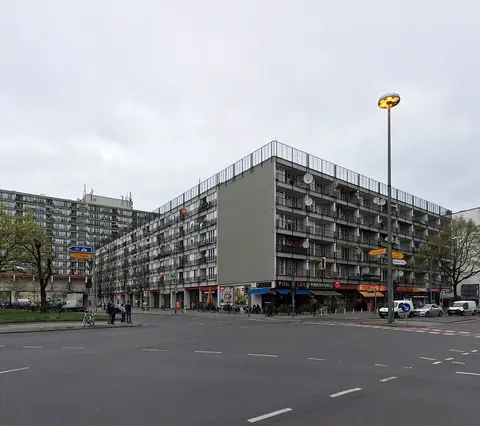

Site of the Sportpalast
Potsdamer Straße 170 / Pallasstraße, 10783 Berlin-Schöneberg
- Then
- On 10 February Hitler opened the NSDAP’s election campaign here; his speech was broadcast to the whole country.12,13
- Today
- The Sportpalast was demolished from 1973; the Pallasseum, a housing block of over 500 flats built in 1975–77, stands on the site. A bronze plaque unveiled in 1993 recalls the hall’s sporting history and Goebbels’s “total war” speech of 1943.
More pictures
_-_btv1b532660696.jpg)


Sources
- Akten der Reichskanzlei. Regierung Hitler 1933–1945, Bd. I, Nr. 17: Ministerbesprechung vom 8. Februar 1933, 16.30 Uhr Bundesarchiv / Historische Kommission bei der Bayerischen Akademie der Wissenschaften, item 4 and note 13 (Goebbels's 'Stimmungsbericht'; recording of 53 minutes, Deutsches Rundfunkarchiv C 916)
- Vorwärts, Abendausgabe Nr. 70, 10 February 1933 Deutsche Digitale Bibliothek, Zeitungsportal, p. 4, 'Rundfunk am Abend' (20.30 Übertragung einer Rede des Reichskanzlers Hitler); p. 3, 'Premierenverlegung'
- Vorwärts, Abendausgabe Nr. 72, 11 February 1933 Deutsche Digitale Bibliothek, Zeitungsportal, p. 1, comment on the Sportpalast speech
- Jahreschronik 1933 Deutsches Historisches Museum, LeMO, entry for 10 February; entry for 11 February ('Die am Vortag gegründete Kampffront Schwarz-Weiß-Rot')
- Vorwärts, Morgenausgabe Nr. 71, 11 February 1933 Deutsche Digitale Bibliothek, Zeitungsportal, p. 3, report of the funeral at Friedrichsfelde; p. 1, 'Explosionskatastrophe im Saargebiet'
- General-Anzeiger (Bonn), 10 February 1933 Deutsche Digitale Bibliothek, Zeitungsportal, p. 1, 'Verbot einer kommunistischen Demonstration' (CNB, Berlin, 10 February)
- Thomas Mann Bayerische Staatsbibliothek (restitution research)
- Thomas Mann and the Ludwig Maximilian University (exhibition panels) Thomas-Mann-Forum München / LMU, panel text on the lecture of 10 February 1933
- Becker, Carl Heinrich Deutsche Biographie (Neue Deutsche Biographie 1, 1953), NDB entry: * 12.4.1876 Amsterdam, † 10.2.1933 Berlin
- Vorwärts, Morgenausgabe Nr. 75, 14 February 1933 Deutsche Digitale Bibliothek, Zeitungsportal, p. 3, official casualty list for Neunkirchen
- Vorwärts, Morgenausgabe Nr. 69, 10 February 1933 Deutsche Digitale Bibliothek, Zeitungsportal, p. 7, '6 014 000 Arbeitslose' and report of the Landesarbeitsamt Brandenburg
- Sportpalast (Gedenktafel, Potsdamer Straße 170) Gedenktafeln in Berlin
- Historische Orte – Sportpalast und Pallasseum Gedenktafeln in Berlin
Spotted a mistake? Send a correction.